Anxiety is a physical experience before it is a mental one. A racing heart, tight chest, shallow breathing, and restless body show nervous system responses. They are not character flaws. Yoga for anxiety helps by targeting physical responses. It doesn’t just tell the mind to relax. Instead, it provides the body with cues to shift the nervous system from threat mode to rest mode.
This blog covers the poses, breathwork, and mudras that research and practice both confirm actually work for anxiety. No filler poses. No breathing exercises that sound good but do nothing. Just the tools that have a clear mechanism and a clear practice you can start today.
Does Yoga Really Help With Anxiety
Yes. A 2019 meta-analysis in Psychological Bulletin showed that yoga lowers anxiety symptoms. This finding comes from various study designs, especially those that mix physical postures, pranayama, and relaxation techniques.
The reason yoga for anxiety works where other interventions stall is because anxiety is partly a body problem, not just a mind problem. The sympathetic nervous system activates the physical stress response. Nervous system regulation yoga helps break the activation cycle.
It uses breath-linked movement and forward folds to activate the parasympathetic response. Inversions help stimulate the vagus nerve. Also, slow exhales reduce heart rate through direct vagal signaling. Let’s explore the poses!
What Yoga Poses Help With Anxiety
1. Child’s Pose (Balasana)
From a kneeling position, push your hips back to your heels. Then, fold forward and rest your forehead on the floor. You can extend your arms or keep them alongside your body. Hold for 2 to 5 minutes. A child’s Pose compresses the belly and chest and may contribute to relaxation. It is one of the most immediately calming yoga poses for anxiety relief because the forward fold position signals safety to the nervous system through posture alone.
- Stimulates the vagus nerve through visceral compression
- Releases tension in the lower back, hips, and shoulders where anxiety is stored
- Grounds the mind through proprioceptive feedback from floor contact
2. Legs-Up-The-Wall (Viparita Karani)
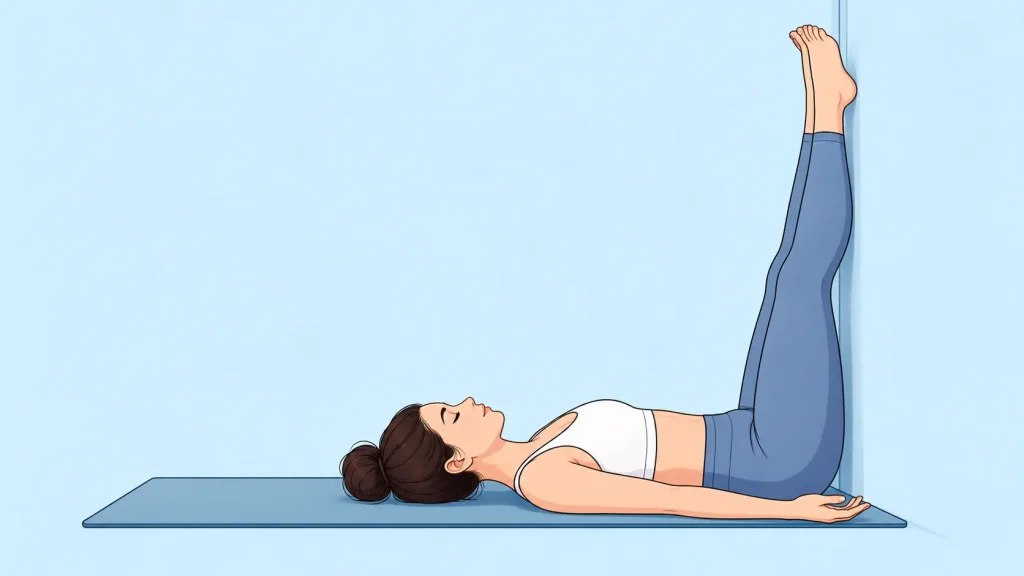
Sit sideways against a wall, swing your legs up, and lie back with your arms relaxed. Hold for 5 to 10 minutes. This mild inversion lowers the venous return to the heart. This triggers baroreceptor activation, signaling the brain to reduce blood pressure and heart rate. It may help calm people experiencing panic-adjacent anxiety by easing physical tension and slowing the heart rate.
- Activates baroreceptors to reduce heart rate within minutes
- Drains physical tension from the legs and lower body
- Supports the lymphatic system and reduces physical stress load
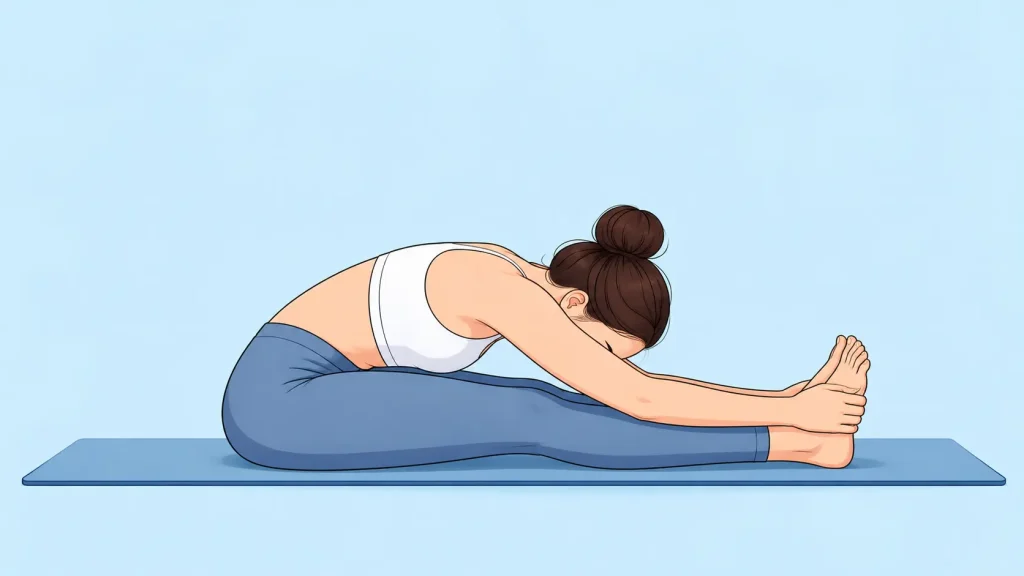
3. Seated Forward Bend (Paschimottanasana)
Sit with legs extended, inhale to lengthen the spine, then exhale and fold forward over your legs. Hold for 3 to 5 minutes. Forward folds activate the parasympathetic nervous system. This happens by compressing the abdominal cavity and extending the spine.
For yoga poses to reduce anxiety and panic attacks, this pose works well with a slow, deep exhale. The breath and posture both target the same calming pathway in the body.
- Forward fold position activates parasympathetic dominance directly
- Releases the erector spinae muscles where chronic stress is held
- Deepens breathing naturally through spinal lengthening before the fold
4. Surya Namaskar (Sun Salutation) for Active Anxiety
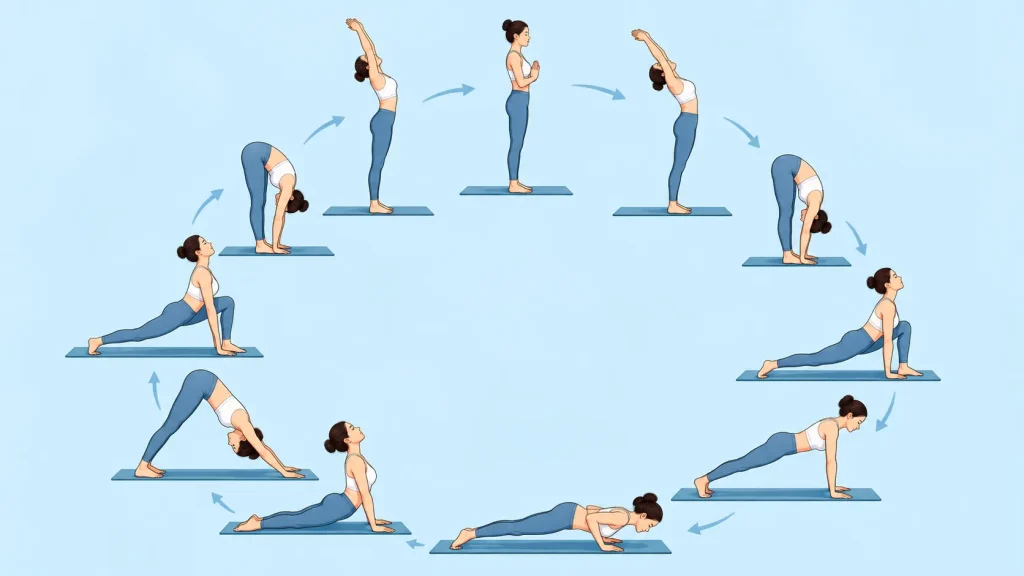
When anxiety is agitated and physical rather than frozen and flat, movement helps before stillness. Surya Namaskar poses done at a slow to moderate pace help release excess adrenaline. They also regulate cortisol and create a rhythmic movement that calms mental hyperactivity.
Six rounds of slow Sun Salutations, then a 5-minute Savasana, is a great way to tackle anxiety. This helps when anxiety shows up as physical restlessness instead of freeze or dissociation.
- Discharges excess adrenaline through rhythmic breath-linked movement
- Regulates cortisol through moderate cardiovascular activation
- Creates meditative focus through the sequence structure itself
How Does Breathwork Calm Anxiety Naturally and Fast
Breathwork can calm anxiety by regulating the autonomic nervous system. Slowing your breath and lengthening your exhale helps activate the vagus nerve. This reduces your heart rate and shifts your body from stress to a calmer state.
1. Nadi Shodhana (Alternate Nostril Breathing) for Anxiety
Pranayama for anxiety starts with Nadi Shodhana. It balances the left and right brain hemispheres. It also activates vagal tone and reduces anxiety symptoms. This happens in just one 10-minute session, according to research from Frontiers in Human Neuroscience.
How to practice:
- Close the right nostril with the thumb and inhale through the left for 4 counts
- Close both nostrils briefly, then exhale through the right for 8 counts
- Inhale through the right for 4 counts, close briefly, then exhale through the left for 8 counts
- This completes one round. Practice 10 rounds daily
Key benefits:
- Activates vagal tone through the extended 8-count exhale
- Balances left and right brain hemispheres to reduce mental agitation
- Reduces anxiety symptom scores within a single session
2. Bhramari (Humming Bee Breath) Before Bed
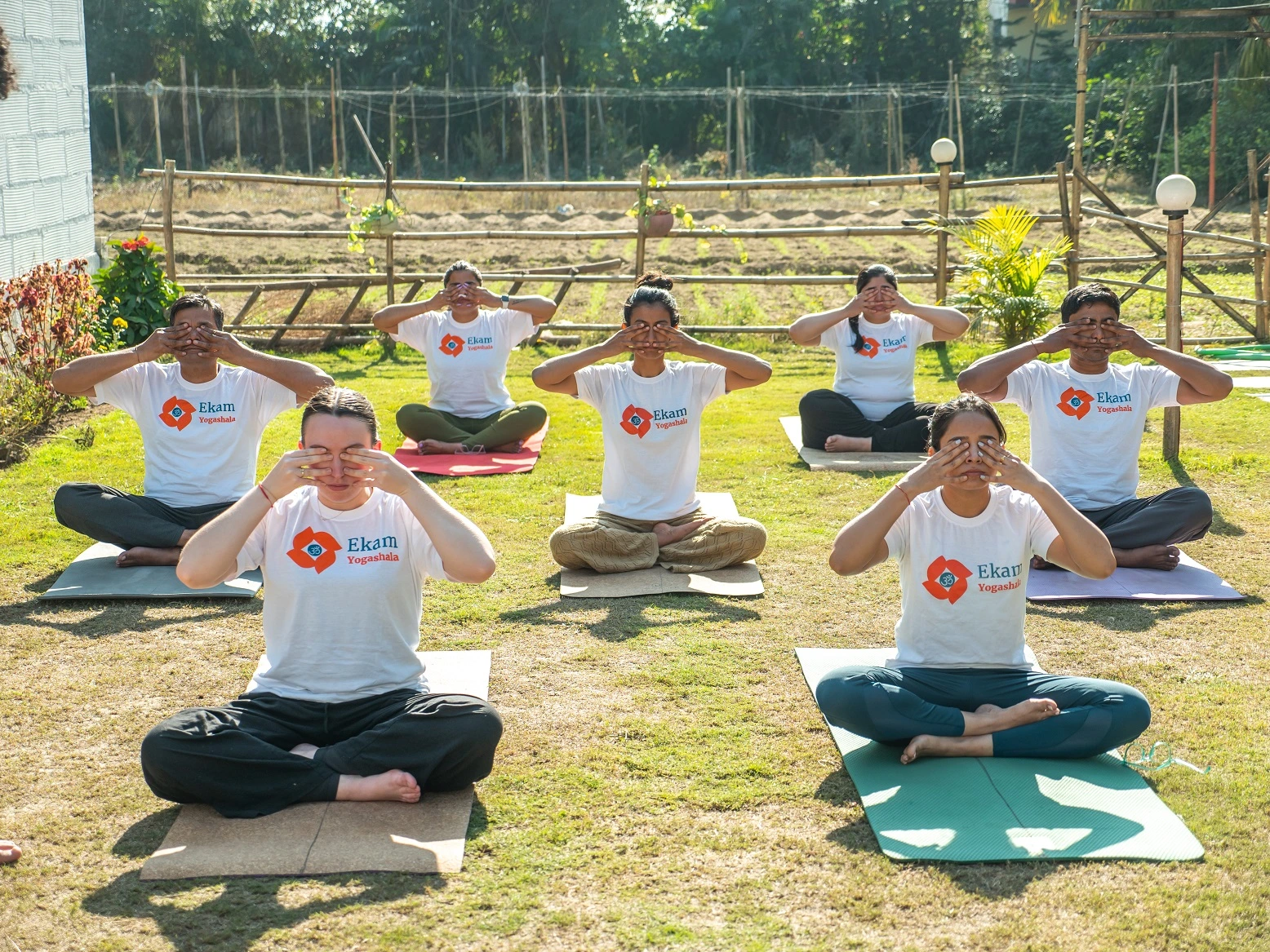
The most effective yoga breathing exercises for anxiety before sleep. The humming vibration mechanically stimulates the vagus nerve through the throat and soft palate, producing measurable calm within 5 rounds.
How to practice:
- Sit comfortably and gently close the ears with the thumbs
- Cover the eyes lightly with the fingers
- Inhale slowly through the nose
- Exhale with a soft continuous hum until the breath is fully released
- Practice 5 to 10 rounds before sleep
Key benefits:
- Directly stimulates the vagus nerve through vibration resonance
- Reduces blood pressure and heart rate within 5 rounds
- Significantly improves sleep quality in anxiety patients with consistent use
Yoga Mudras for Calming the Mind
Mudras for anxiety and stress work through fingertip nerve endings connected to the vagus nerve. Held with slow breathing for 10 to 15 minutes, they compound the effects of pranayama and produce deeper calm than either tool used alone.
1. Gyan Mudra
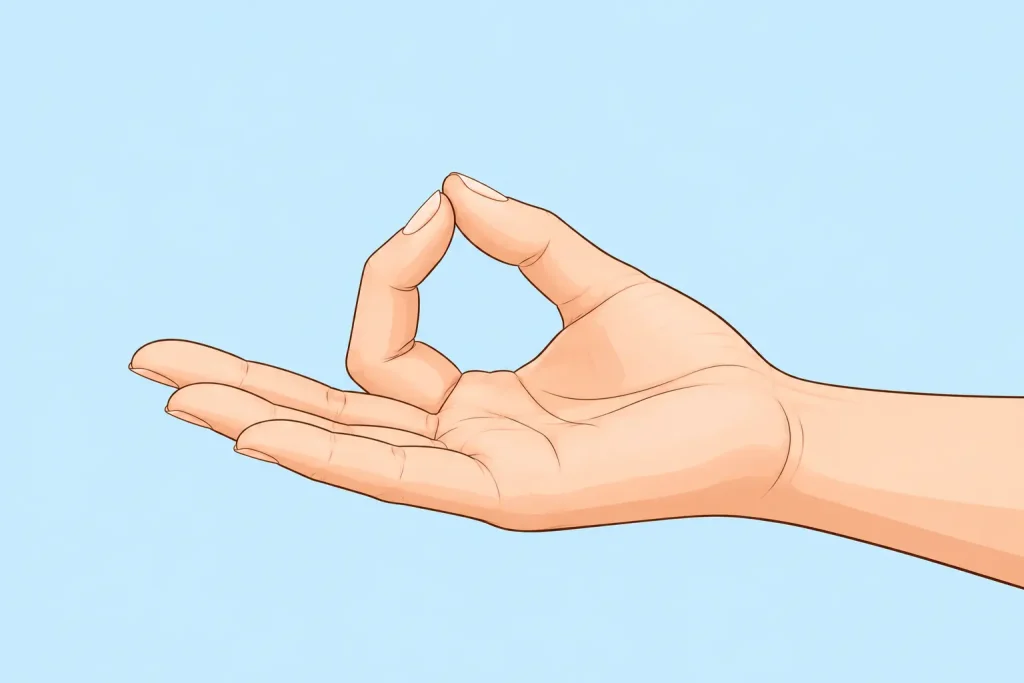 Touch the index fingertip to the thumb tip. Keep the remaining three fingers extended and relaxed. Rest hands on knees with palms facing up.
Key benefits:
- Reduces general anxiety and mental restlessness
- Activates parasympathetic dominance through air element regulation
- Sharpens focus and quiets repetitive anxious thinking
2. Vayu Mudra 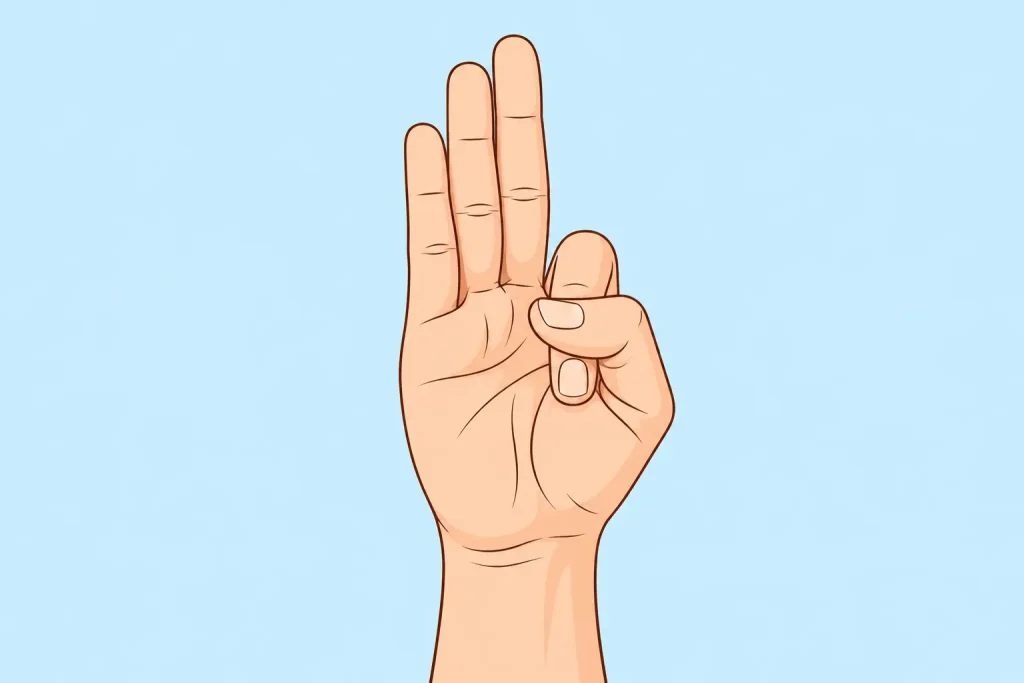
Bend the index finger inward and press it down gently at its base with the thumb. Keep all other fingers extended.
Key benefits:
- Targets racing thoughts and physical agitation specifically
- Reduces excess Vata (air element), the Ayurvedic root of anxiety
- Works fastest when paired with an 8-count extended exhale
A mudra for high blood pressure, like Apana Vayu Mudra, is also relevant here because anxiety and elevated blood pressure are related through sympathetic activation.
How Long Does It Take for Yoga to Reduce Anxiety
How to practice yoga mudras for stress relief at home in a complete daily protocol:
- Begin with 5 minutes of Nadi Shodhana.
- Form Gyan Mudra and hold for 10 minutes with slow breathing.
- Practice 6 rounds of Surya Namaskar at a slow pace.
- Hold Child’s Pose for 3 minutes.
- Close with 10 minutes of Legs-Up-The-Wall, followed by 5 minutes of Bhramari.
Total time: 35 minutes. This is the format that produces consistent, measurable anxiety reduction when practiced daily. The meditation for the anxiety element is built into the mudra and pranayama holds and does not need to be a separate seated session.
Learn These Practices Properly at Ekam Yogashala in Goa
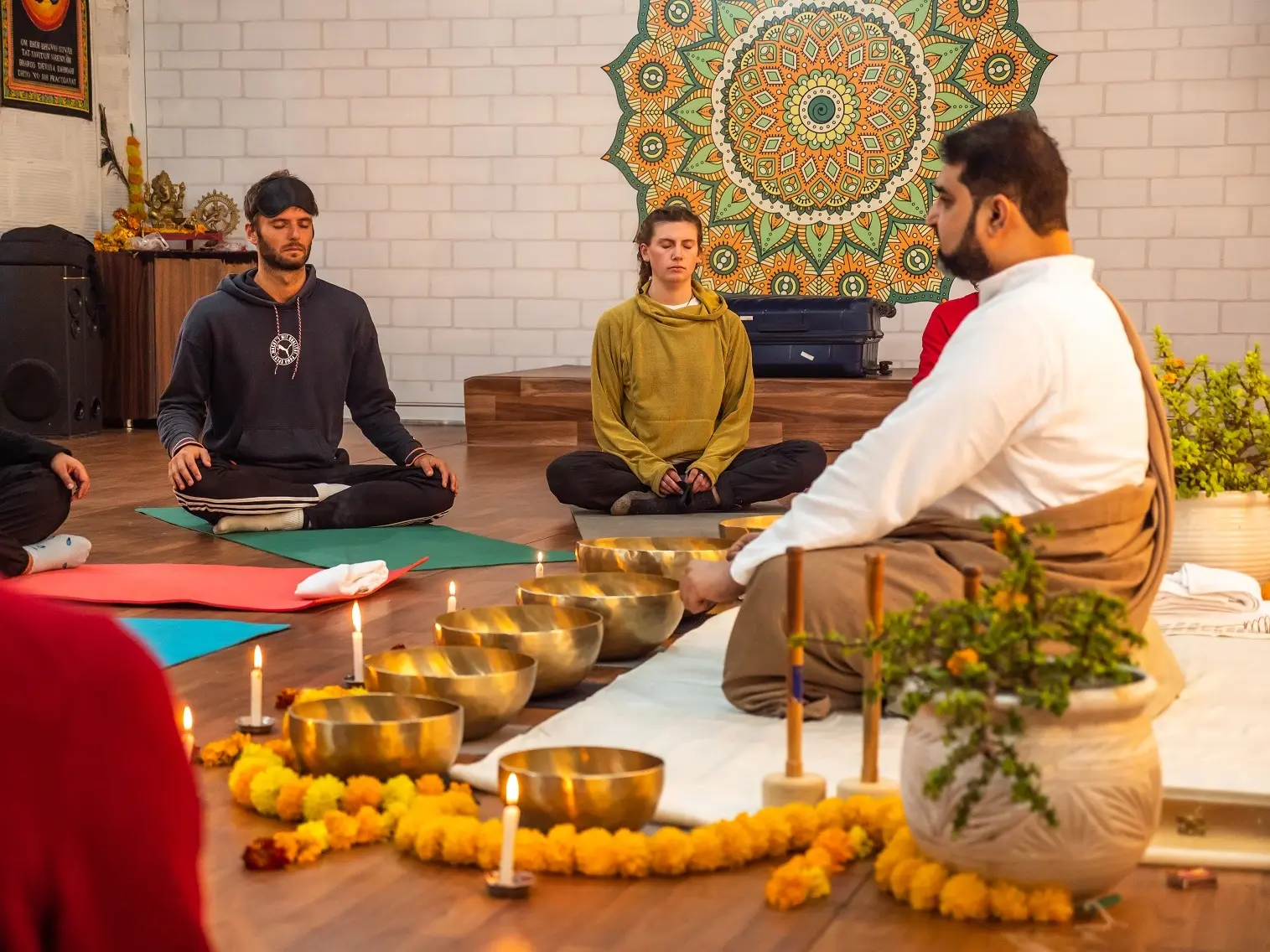
Reading about yoga for anxiety gives you the framework. Practicing in a structured residential program in South Goa makes a difference. Experienced teachers will help you refine your pranayama and teach you mudras correctly. We will also guide you through restorative sequences, giving you direct feedback.
Ekam Yogashala is a Yoga Alliance USA registered school offering residential programs in Rishikesh, Goa, Kerala, and Nepal. The best yoga retreat in Goa for stress and anxiety combines pranayama, mudra, Hatha yoga, philosophy, and Ayurvedic sattvic meals. This daily structure helps reset your nervous system throughout the program.
Batches are capped at 10 to 15 students for direct teacher access. The 100-hour yoga TTC in Goa starts at $599 for 11 days. It’s perfect for students seeking a structured dive into the practices discussed in this blog. The best yoga mudras for stress relief and anxiety in Goa are not just content topics at Ekam Yogashala. They are part of the daily curriculum.
- 100 Hour Yoga TTC from $599, 11 days, Goa
- 200 Hour Yoga TTC from $1,199, 21 days, Goa
- 300 Hour Yoga TTC from $999, 28 days, Rishikesh
- All programs include accommodation, sattvic meals, and Yoga Alliance USA certification
Final Words
The poses, breathwork, and mudras in this guide are not new inventions. Yoga for anxiety works because it gives the body those inputs in a repeatable, accessible, daily format.
Start with Nadi Shodhana and Child’s Pose today. Add the rest of the sequence as it becomes familiar. The nervous system responds to consistent daily signals, not occasional dramatic interventions. Give it 15 minutes a day for two weeks, and the results will speak for themselves.
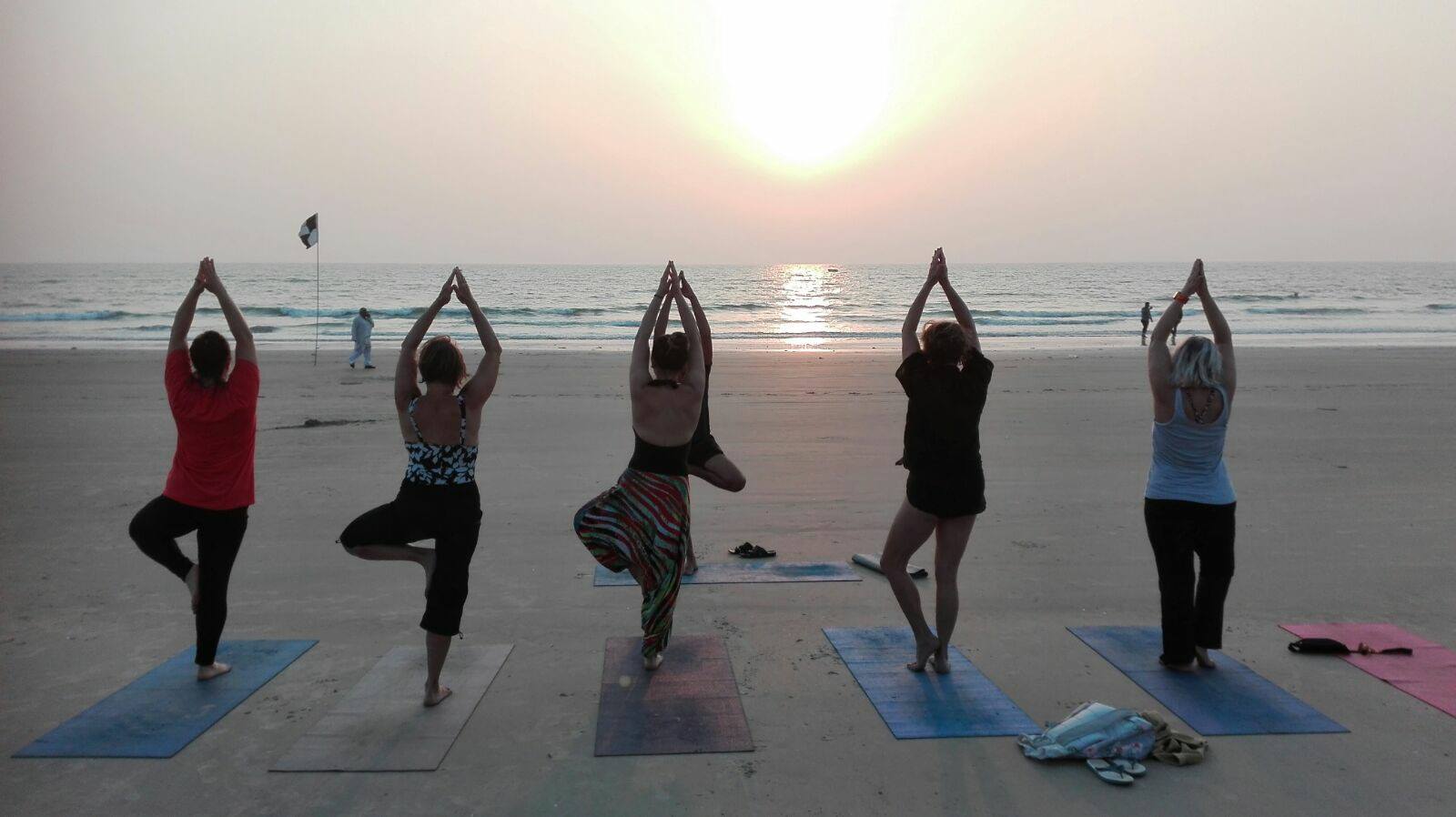
Want to learn these practices properly with experienced teachers in a beachside setting? Ekam Yogashala’s residential programs in Goa integrate pranayama, mudra, and restorative yoga into a certified daily curriculum. Apply now!
Frequently Asked Questions
Q1. What yoga poses help with anxiety?
Child’s Pose, Legs-Up-The-Wall, Seated Forward Bend, and Reclining Bound Angle are great for activating the parasympathetic nervous system. They also help reduce anxiety.
Q2. How does breathwork calm anxiety?
Extended-exhale breathing may increase vagal activity and promote a shift from sympathetic stress toward parasympathetic calm, though the response and timing vary among individuals.
Q3. What is the best breathing exercise for anxiety attacks?
The 4-count inhale and 8-count exhale is the most effective. It activates the vagus nerve directly and reduces sympathetic overactivation within 60 seconds of practice.
Q4. How long does it take for yoga to reduce anxiety?
A single session produces measurable relief. Sustained baseline anxiety reduction occurs within two to four weeks of consistent daily practice lasting 15 to 30 minutes.
Q5. Which mudras help with anxiety and stress?
Gyan Mudra for general anxiety and Vayu Mudra for restless, agitated anxiety are the most effective. Both compound the effects of pranayama when practiced together.
Q6. How to practice yoga mudras for stress relief at home?
Sit up straight. Make Gyan Mudra with both hands. Inhale for 4 counts and exhale for 8. Hold this for 10 to 15 minutes each day for best results.
Q7. What is the best breathing technique for anxiety relief before bed?
Bhramari Pranayama (humming bee breath) is most effective before bed. The vibration stimulates the vagus nerve and reduces heart rate within 5 rounds of practice.
Q8. What is the best yoga retreat in Goa for stress and anxiety?
Ekam Yogashala in South Goa offers a certified residential program. It includes pranayama, mudra, restorative yoga, and Ayurvedic meals. The program costs $599 for 11 days.
Q9. What are the best yoga mudras for stress relief and anxiety in Goa?
Gyan Mudra, Vayu Mudra, and Apana Vayu Mudra help reduce anxiety when practiced during morning pranayama sessions.