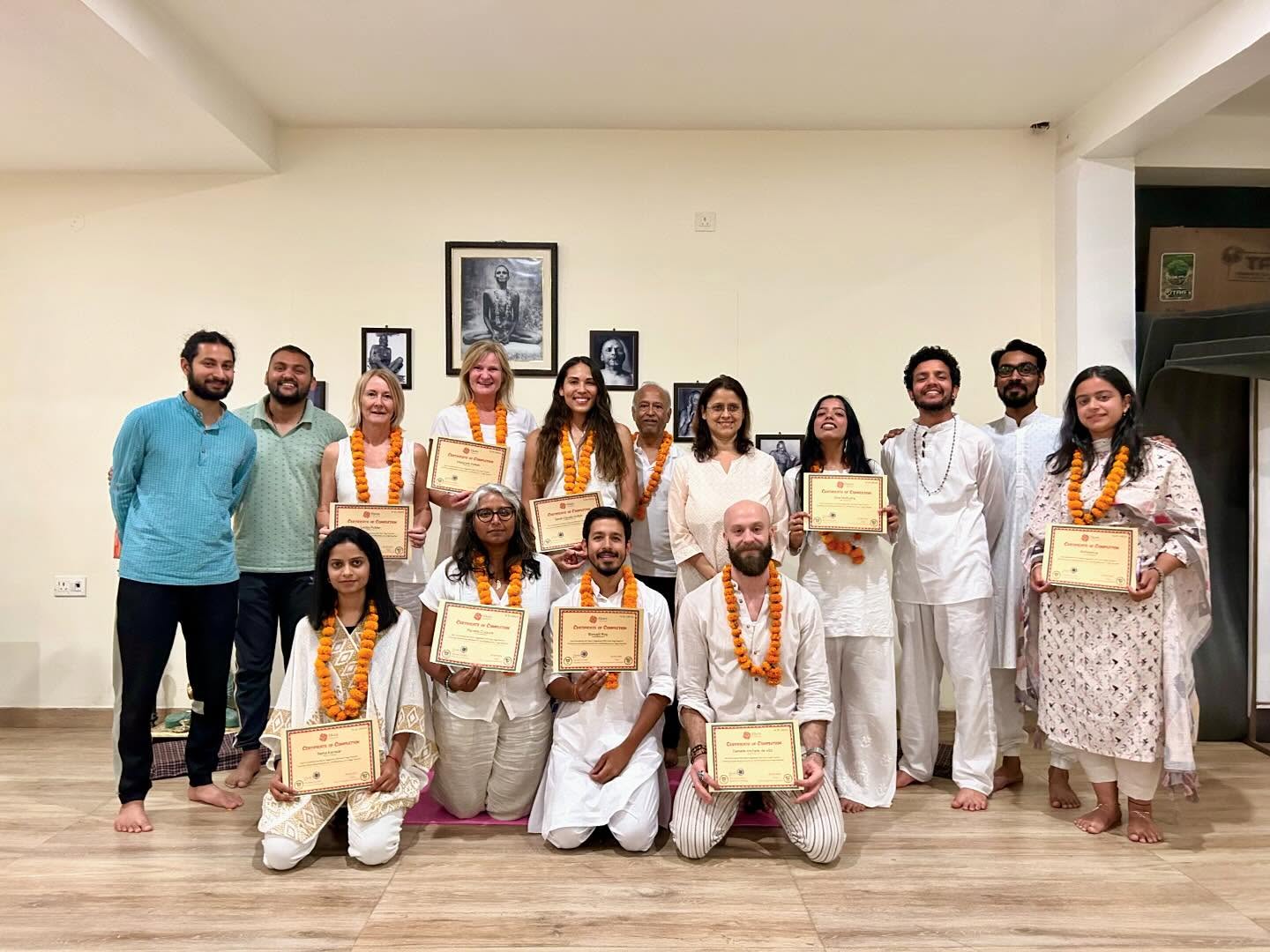
Surya Namaskar, also known as Sun Salutation, is one of the most complete and time-efficient yoga practices ever created. Rooted in ancient yogic tradition, it combines movement, breath, strength, flexibility, and mindfulness into a single flowing sequence.
At Ekam Yogashala, Surya Namaskar is taught as the foundation of all yoga practice-whether you are a beginner starting your journey or an advanced practitioner deepening awareness.
In this guide, you’ll learn:
-
What Surya Namaskar is
-
The 12 poses of Surya Namaskar explained step by step
-
Key health and mental benefits
-
How to practice safely and correctly
What Is Surya Namaskar (Sun Salutation)?
Surya Namaskar is a dynamic sequence of 12 yoga poses performed in a rhythmic flow. Each movement is traditionally synchronized with inhale or exhale, making it both a physical workout and a pranayama-based moving meditation.
Practiced regularly-especially in the morning-Surya Namaskar:
-
Activates all major muscle groups
-
Improves circulation and digestion
-
Enhances mental clarity and focus
In short: Surya Namaskar is a complete daily yoga routine that supports physical health, emotional balance, and inner awareness in just 10–15 minutes a day.
7 Proven Benefits of Surya Namaskar
-
Full-Body Strength & Toning
Engages arms, legs, core, spine, and back simultaneously. -
Improved Digestion & Metabolism
Forward and backward bends gently massage digestive organs. -
Enhanced Flexibility
Increases spinal mobility and releases stiffness in hips and hamstrings. -
Weight Management
Multiple rounds act as a calorie-burning cardiovascular workout. -
Mental Clarity & Stress Relief
Breath awareness calms the nervous system and reduces anxiety. -
Hormonal Balance
Supports healthy thyroid and endocrine gland function. -
Better Skin & Circulation
Improved blood flow contributes to natural glow and vitality.
Step-by-Step Guide: The 12 Poses of Surya Namaskar
1. Pranamasana (Prayer Pose)

How to do: Stand tall, feet together. Bring palms together at the chest.
Benefit: Improves focus and prepares the mind for practice.
2. Hasta Uttanasana (Raised Arms Pose)
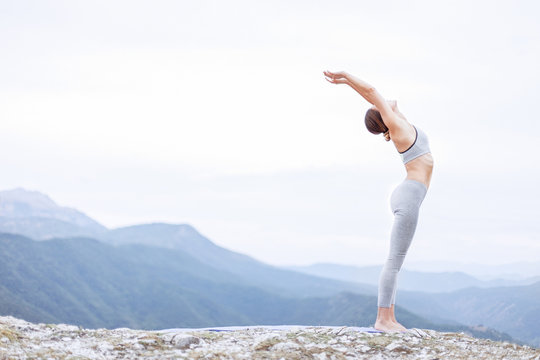
How to do: Inhale, lift arms upward and gently arch back.
Benefit: Expands lungs and stretches the abdomen.
3. Pada Hastasana (Standing Forward Bend)
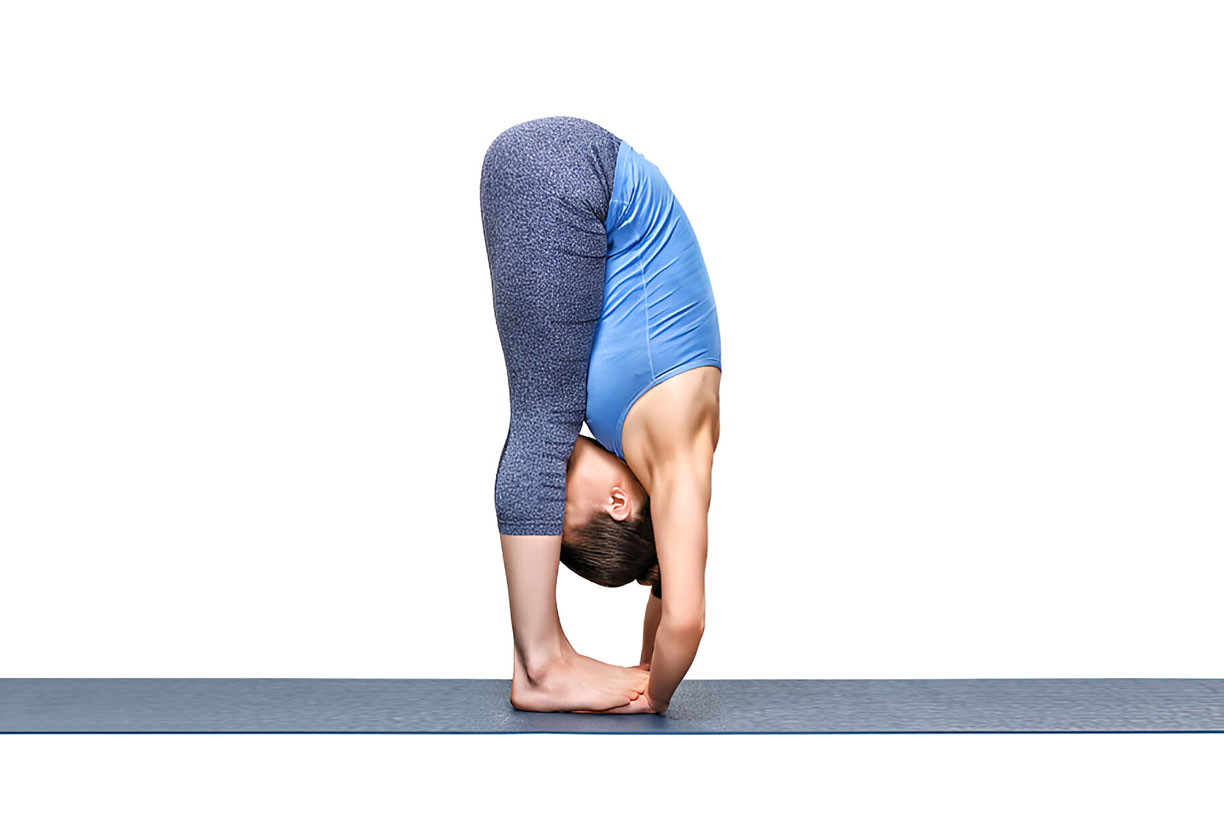
How to do: Exhale, fold forward from the hips, hands beside feet.
Benefit: Stretches hamstrings and improves blood flow to the brain.
4. Ashwa Sanchalanasana (Equestrian Pose)
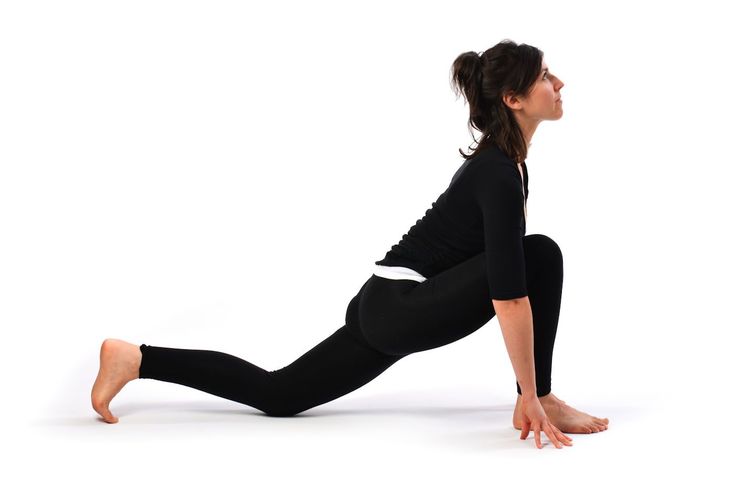
How to do: Inhale, step right leg back, knee down, chest open.
Benefit: Strengthens legs and opens hip flexors.
5. Parvatasana (Mountain Pose)
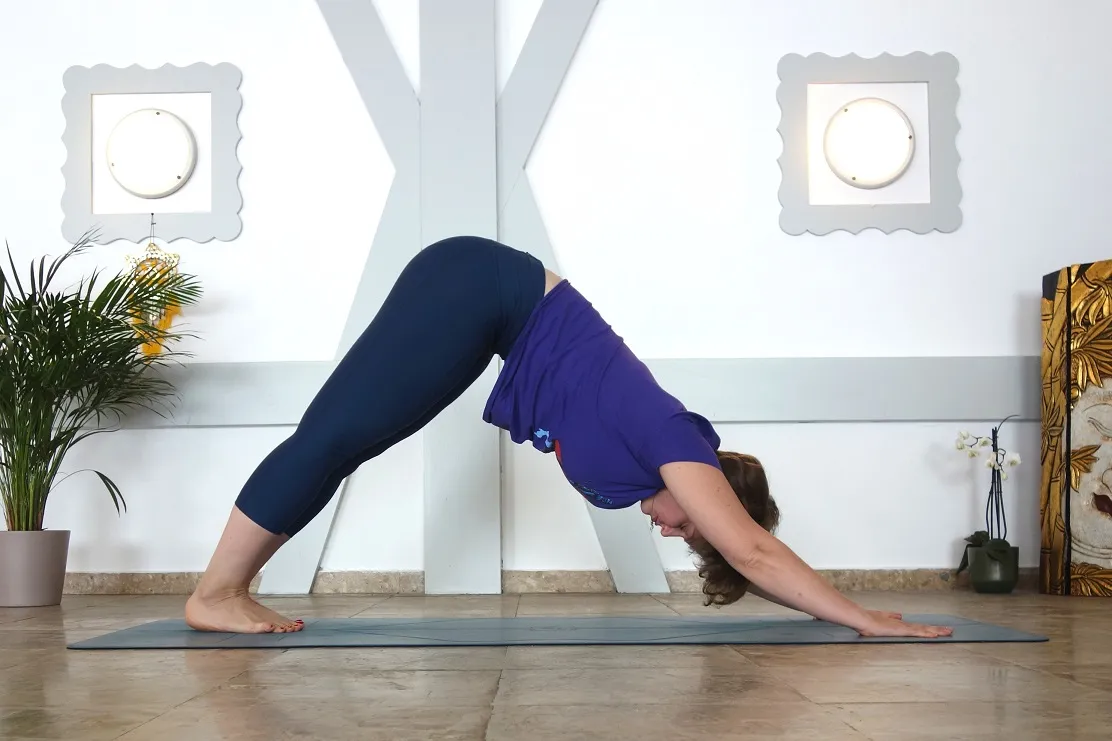
How to do: Exhale, step left leg back, hips lift into an inverted “V”.
Benefit: Strengthens shoulders, arms, and calves.
6. Ashtanga Namaskara (Eight-Limbed Pose)
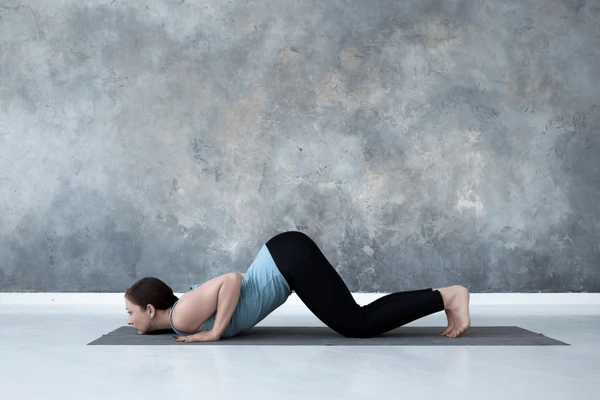
How to do: Lower knees, chest, and chin to the floor.
Benefit: Builds upper-body strength and chest stability.
7. Bhujangasana (Cobra Pose)

How to do: Inhale, slide forward and lift the chest gently.
Benefit: Improves spinal flexibility and relieves back stiffness.
8. Parvatasana (Mountain Pose)
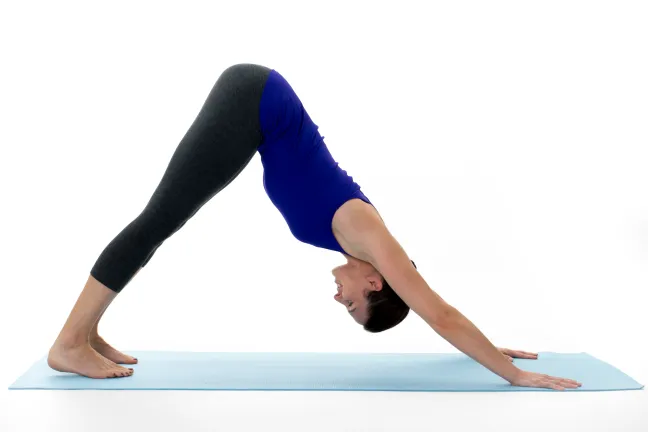
How to do: Exhale, lift hips back again into inverted “V”.
Benefit: Re-energizes the body and improves circulation.
9. Ashwa Sanchalanasana (Equestrian Pose)
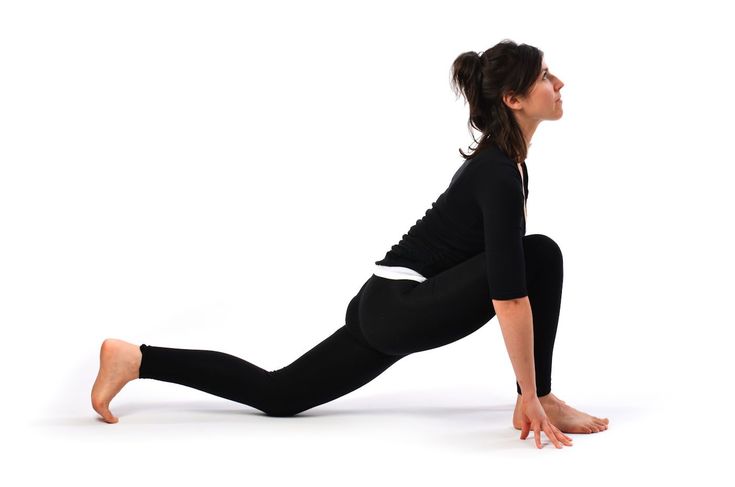
How to do: Inhale, step right foot forward between hands.
Benefit: Tones abdominal organs and improves balance.
10. Pada Hastasana (Standing Forward Bend)
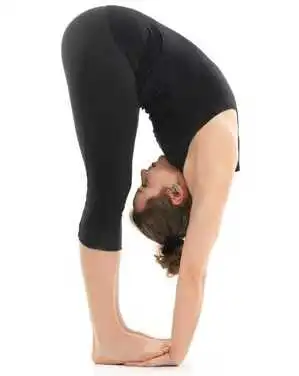
How to do: Exhale, step left foot forward and fold.
Benefit: Calms the mind and supports mental health.
11. Hasta Uttanasana (Raised Arms Pose)
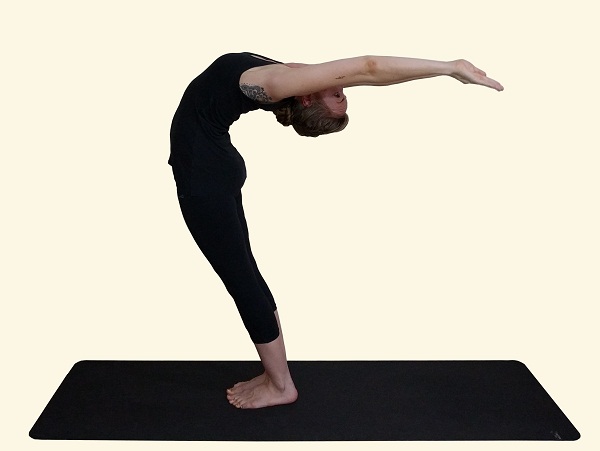
How to do: Inhale, rise up and gently arch back.
Benefit: Strengthens arms and improves posture.
12. Pranamasana (Prayer Pose)
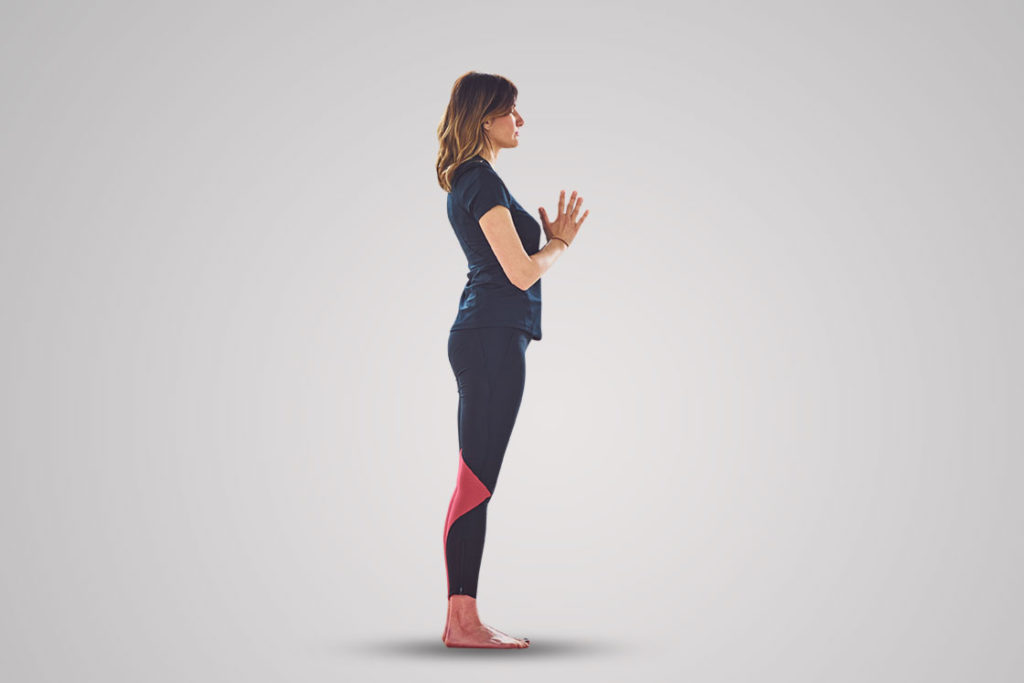
How to do: Exhale, palms together, stand still and observe.
Benefit: Restores balance and completes one round.
Pro Tips for Beginners
-
Start with 2-4 rounds, gradually increasing to 12
-
Practice on an empty stomach, preferably at sunrise
-
Focus on breath synchronization, not speed
-
If pregnant or injured, consult a qualified teacher before practicing
Conclusion
Surya Namaskar is not just exercise-it is a complete yogic sadhana. With consistent daily practice, it builds strength, flexibility, mental calm, and inner discipline.
Practicing under experienced guidance, such as at Ekam Yogashala, ensures correct alignment, breath awareness, and long-term benefits.
Frequently Asked Questions (FAQs)
1. What is Surya Namaskar and why is it important?
Surya Namaskar, or Sun Salutation, is a sequence of 12 yoga poses performed in a continuous flow with breath awareness. It is important because it works on the entire body, improves mental focus, and supports overall physical and emotional well-being.
2. How many rounds of Surya Namaskar should beginners do?
Beginners can start with 2 to 4 rounds per day and gradually increase to 8-12 rounds as strength, flexibility, and stamina improve.
3. Can Surya Namaskar help with weight loss?
Yes. Practicing Surya Namaskar regularly at a moderate to fast pace helps burn calories, improves metabolism, and supports healthy weight management when combined with proper diet and consistency.
4. What is the best time to practice Surya Namaskar?
Early morning on an empty stomach is considered the best time to practice Surya Namaskar, as the body is fresh and the mind is calm. However, it can also be practiced in the evening if there is a gap of 4–5 hours after meals.
5. Is Surya Namaskar suitable for beginners?
Yes, Surya Namaskar is suitable for beginners when practiced slowly with correct alignment and breathing. Beginners are advised to learn under guidance, such as at Ekam Yogashala, to avoid mistakes.
6. Can Surya Namaskar replace a full yoga practice?
Surya Namaskar is a complete full-body practice, but it does not fully replace pranayama, meditation, and static asanas. For deeper yogic benefits, it is best combined with a complete yoga routine.
7. Is it safe to practice Surya Namaskar every day?
Yes, Surya Namaskar is safe to practice daily when done with proper technique and breath awareness. Regular practice improves flexibility, strength, and mental balance over time.
8. Should Surya Namaskar be done fast or slow?
Both styles are beneficial. Slow practice improves flexibility, breath control, and mindfulness, while faster rounds increase cardiovascular fitness and calorie burn. Beginners should always start slow.
9. Can Surya Namaskar help reduce stress and anxiety?
Yes. The synchronized movement and breathing in Surya Namaskar calm the nervous system, reduce stress hormones, and promote mental clarity and relaxation.
10. Who should avoid or modify Surya Namaskar?
People with severe back pain, recent surgery, pregnancy, or chronic health conditions should consult a qualified yoga instructor before practicing or modify the poses as needed.