The first time you see someone hold a steady headstand yoga pose, it looks almost impossible. Feet pointing straight up, body perfectly still, completely calm. But here is the truth – Sirsasana is learnable. Not in a day, but with the right approach, most people get there within a few months. This guide covers everything from Sirsasana benefits and steps to safety, so you know exactly what you are getting into.
What Is Sirsasana in Yoga
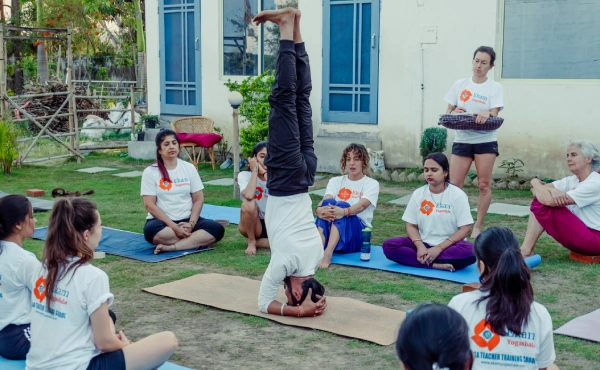
Sirsasana is a full-body inversion where you balance upside down on your forearms and the crown of your head. It is one of the most recognized poses in classical Hatha yoga. Practiced correctly, it builds core strength, improves focus, and calms the nervous system in under a minute.
In Sanskrit, “Sirsa” means “head,” and “Asana” means “pose.” The headstand yoga pose has been part of traditional yoga for centuries. It changes how gravity affects your body. This gives your heart and circulatory system a unique experience that standing poses can’t match. That’s why it’s called the King of Yoga Poses.
Headstand Benefits You Actually Feel
The main headstand benefits are better blood flow to the brain, stronger shoulders and core, and significant stress relief. Regular practice builds the mental focus to stay calm under pressure. No sitting meditation technique offers this in the same way.
1. Physical Benefits
- Builds shoulder girdle and core strength, yoga poses rarely target directly
- Enhances yoga poses for blood circulation – blood reaches the brain with less effort from the heart.
- Decompresses the lower spine when alignment is correct
2. Mental and Nervous System Benefits
- Activates the parasympathetic nervous system and reduces cortisol
- Sharpens focus – holding the pose demands full present-moment attention
- Builds real confidence that carries over off the mat
How to Do a Headstand Step by Step
To do a headstand, first interlace your fingers. Place the crown of your head on the mat, cupping it with your hands. Then, walk your feet in until your hips are over your shoulders. Finally, lift one leg at a time. Use a wall behind you until your balance is consistent. Never kick up with force.
1. Sirsasana Steps for Beginners
This is the safest sequence for how to do Sirsasana for beginners, step-by-step.
- Kneel and interlace fingers, placing forearms shoulder-width apart on the mat.
- Set the crown of the head yoga position at the very top of your skull, cradled in your palms
- Tuck your toes, lift your hips, and walk your feet in until your hips are over your shoulders
- Engage your core and lift one leg, then bring the other to meet it
- Hold for 5 to 10 breaths, building duration gradually over weeks
(Note: Read about 10 best yoga poses for beginners step-by-step guide.)
2. Forearm Headstand vs Full Headstand
In a forearm headstand vs a full headstand comparison, weight distribution is the key difference. In Sirsasana, 10 to 20% of your weight should rest on your head, with the rest carried by your forearms. If your neck feels compressed, your arms are not doing enough work.
3. Headstand Yoga Pose for Beginners Without a Wall
Practice with the wall for at least 4 to 8 weeks before attempting freestanding. Once you can hold for 30 seconds without leaning into it, you are ready. Going wall-free too early is the top cause of falls and neck strain.
How Long Does It Take to Learn a Headstand in Yoga
Most beginners take 3 to 6 months to hold a headstand consistently. People with existing shoulder strength progress faster. Daily practice of prep poses and 5 minutes of inversion work each session compresses the learning curve significantly. The variable is not talent – it is consistency and quality of prep work. If you have a strong yoga base, you might get a shaky wall-supported hold within 4 to 6 weeks. A confident freestanding hold typically takes 3 to 6 months.
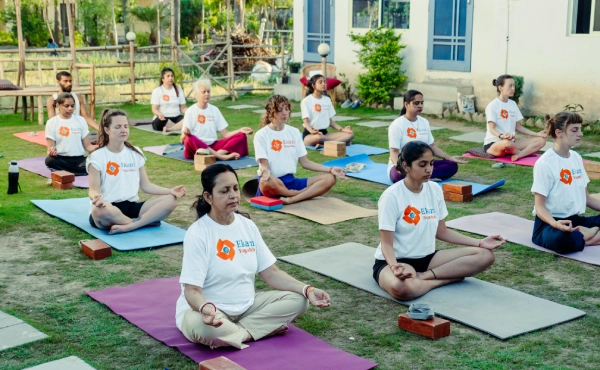
At Ekam Yogashala, students can build their headstand practice through structured yoga training, expert guidance, alignment-focused preparation, and progressive inversion techniques designed to develop strength, balance, body awareness, and confidence safely.
Sirsasana Precautions and Contraindications
Sirsasana has some precautions and contraindications. These include:
- High blood pressure
- Glaucoma
- Cervical spine injuries
- Active migraines
- Pregnancy beyond the first trimester
Anyone with neck issues should get medical clearance before attempting any headstand yoga pose.
Who Should Not Do Sirsasana
- People with unmanaged high blood pressure or heart conditions
- Anyone with glaucoma or elevated intraocular pressure
- Those with cervical disc issues or active neck pain
- Women in the second or third trimester of pregnancy
Sirsasana vs Sarvangasana: Which Is Better
In the Sirsasana vs Sarvangasana comparison, neither wins universally. Sirsasana builds upper body strength and focus. Sarvangasana is gentler on the neck and more accessible. Most yoga traditions recommend both, with Sarvangasana practiced as the counterpose after Sirsasana.
The practical difference is load placement. Sirsasana puts more demand on the shoulders and arms. Sarvangasana shifts weight to the upper back and is typically introduced first in most teaching sequences. If you can only choose one to start, begin with Sarvangasana and work toward Sirsasana as your strength builds.
Yoga Inversions Benefits You Did Not Know About
Beyond the circulatory boost, yoga inversion (headstand benefits) include a measurable shift in your relationship with discomfort. Holding yourself upside down, calm and steady, is a direct training ground for mental resilience.
Practitioners with a regular inversion practice notice that the focus from the pose carries over to stressful moments off the mat, too. These are yoga poses that change your life because they change how you respond, not just how you look. Start the headstand yoga pose with honest prep, give it the time it deserves, and the results compound.
Final Thoughts
The Sirsasana yoga pose is an inspiring milestone for many yoga practitioners. By following proper Sirsasana steps, building strength gradually, and respecting safety guidelines, beginners can safely work toward mastering this classic inversion. The journey may take time, but the confidence and skills gained along the way make the effort worthwhile.
Ready to elevate your practice from foundational steps to advanced inversions? Build true strength and alignment at Ekam Yogashala in Rishikesh. Join our certified multi-style teacher training programs along the holy Ganges to master poses like Sirsasana safely under expert guidance. Book your slot today!
Frequently Asked Questions
Q1. Is the headstand yoga pose safe for beginners?
Yes, with proper guidance, prep work, and a wall for support. Avoid it if you have neck or blood pressure issues.
Q2. What is Sirsasana in yoga, and why is it called the King of Yoga Poses?
Sirsasana is a head balance inversion. It earns its title because it strengthens, calms, and challenges the whole body simultaneously.
Q3. How long does it take to learn a headstand for a complete beginner?
On average, 3 to 6 months of consistent daily practice with proper prep poses and technique.
Q4. What are the main Sirsasana precautions I should know?
Avoid if you have a neck injury, glaucoma, high blood pressure, or are pregnant beyond the first trimester.
Q5. Can I practice the headstand yoga pose without a wall?
Only after building a solid balance with wall support for at least 4 to 8 weeks of consistent practice.