Something unexpected happens to almost every student within the first few days of a 200 hour yoga teacher training in Rishikesh. They start sleeping in a way they forgot was possible. Not just longer. Deeper. The kind of sleep where you do not remember lying down and wake up before the alarm because the body is genuinely ready. Most students attribute it to exhaustion. The real answer is more interesting.
The residential yoga course environment at Ekam Yogashala in India is built, deliberately and systematically, around the conditions that restore healthy sleep. The structured schedule and evening practices help. The Best mudras for sleep and pranayama for relaxation before bedtime also play a role. Plus, avoiding stimulants keeps the nervous system calm. All these factors come together for better rest. This blog explains exactly how, so you can apply the same principles whether or not you are in Rishikesh.
How Does Yoga Teacher Training Change Your Sleep Pattern
Modern sleep problems are almost entirely caused by circadian rhythm and meditation disruption. Irregular schedules, late-night screen time, and stress keep the nervous system on alert. This makes deep sleep hard to achieve. Shallow breathing and mental overstimulation also play a role.
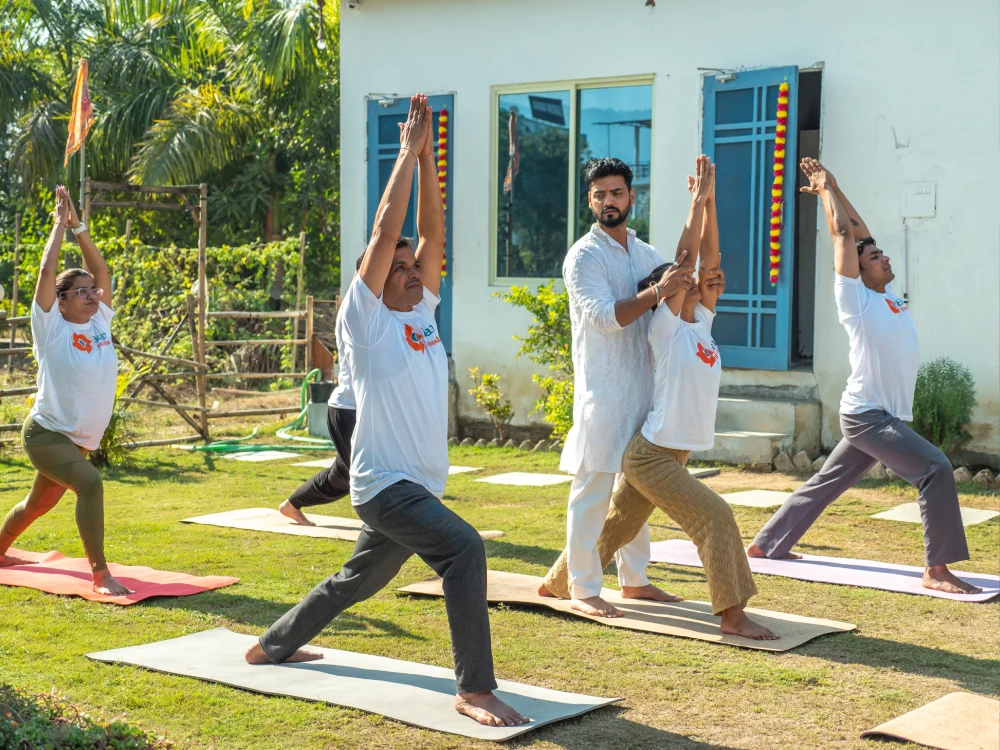
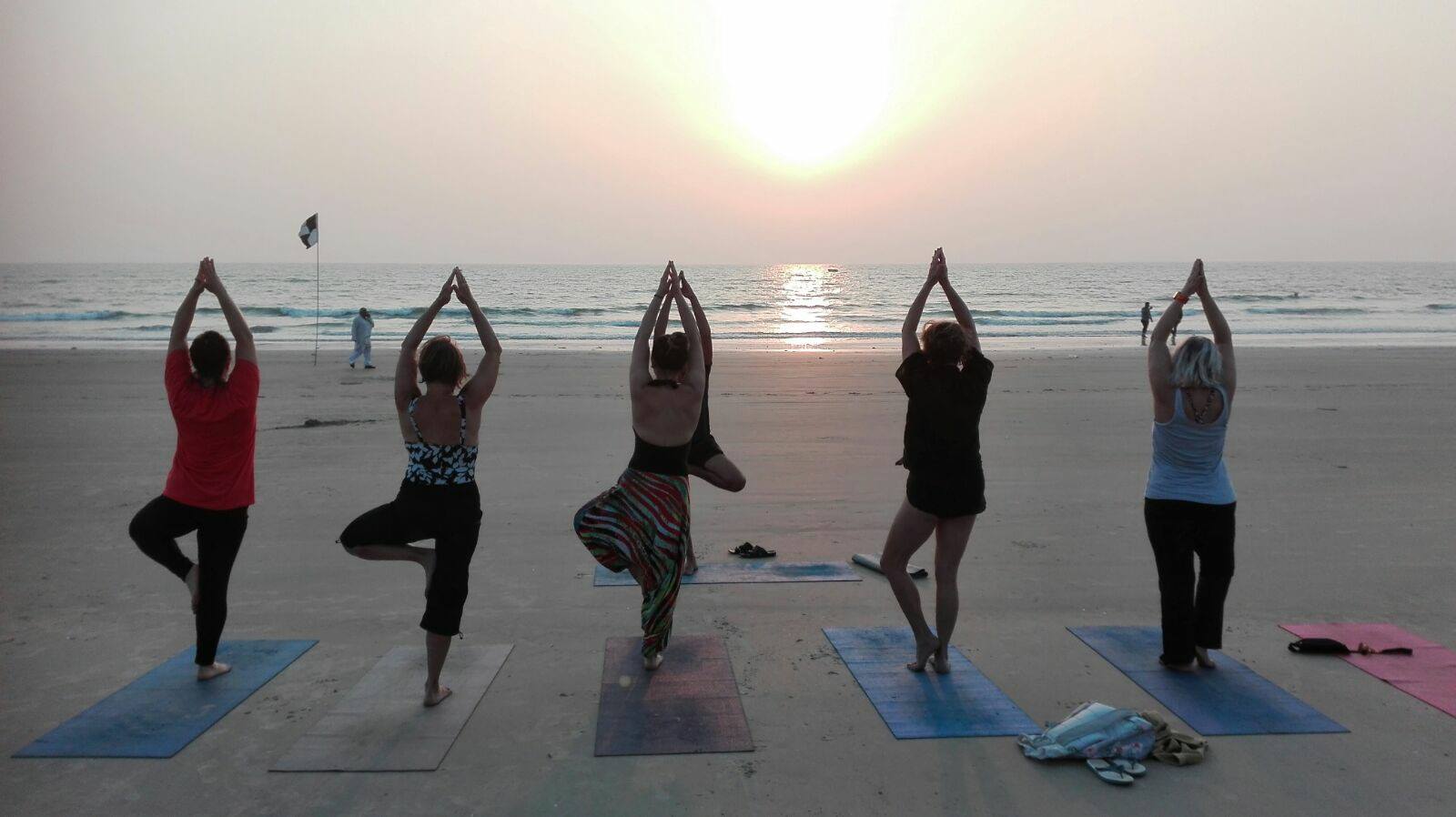
The 200 hour yoga teacher training in Rishikesh daily schedule removes all of these in one move. Getting up at 5:30 AM, exercising for hours, eating breakfast early, and doing Yoga Nidra and meditation at night isn’t a wellness protocol. It is how the human sleep system was designed to operate.
What Mudras Help You Sleep Better During Yoga Training
1. Shakti Mudra
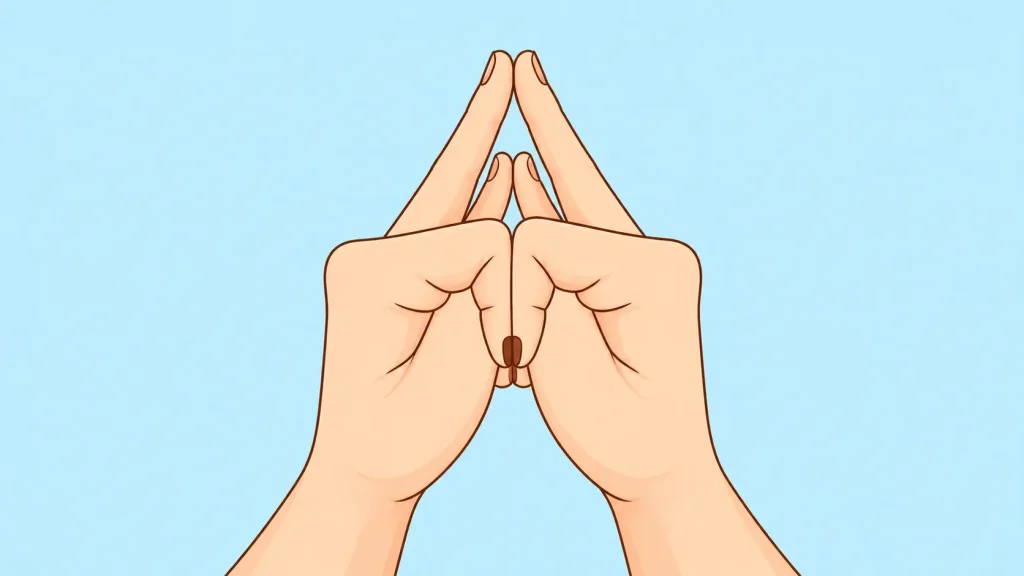
The most targeted shakti mudra for sleep in the yogic system. It calms the pelvic energy center, slows the breath without effort, and is the primary sleeping mudra for anxiety-driven insomnia.
How it Works (The Science and The Subtle)
Shakti Mudra applies gentle pressure to fingertip marma points linked to the pelvic energy center. This activates the parasympathetic nervous system. It slows breath rate and reduces cortisol output naturally. You don’t need to make any special effort in pranayama.
 How to Perform
- Fold both thumbs into each palm
- Wrap your index and middle fingers gently over the folded thumbs
- Bring the tips of your ring fingers and little fingers together
- Rest the hands on the lower belly or at the sides in Savasana
- Close the eyes, breathe slowly through the nose, and hold for 10 to 15 minutes
Key Benefits for Sleep
- Activates the parasympathetic nervous system within minutes of holding
- Reduces cortisol and physical tension held in the lower body
- Slows breathing naturally without conscious breath control
- Calms anxiety and emotional overstimulation before bed
- Works effectively lying down, making it ideal for use directly in bed
2. Gyan Mudra
Gyan mudra benefits sleep through the mind. It provides the busy brain with one steady focus. This helps break the repetitive thought loops that delay sleep for many people.
How it Works (The Science and The Subtle)
Joining the index finger (individual consciousness) to the thumb (universal consciousness) redirects scattered prana back into a stable circuit. This lowers mental noise and moves brainwave activity to slower theta states. These states are linked to relaxation before sleep.
 How to Perform
- Sit in Sukhasana or lie in Savasana with hands resting on the knees or thighs
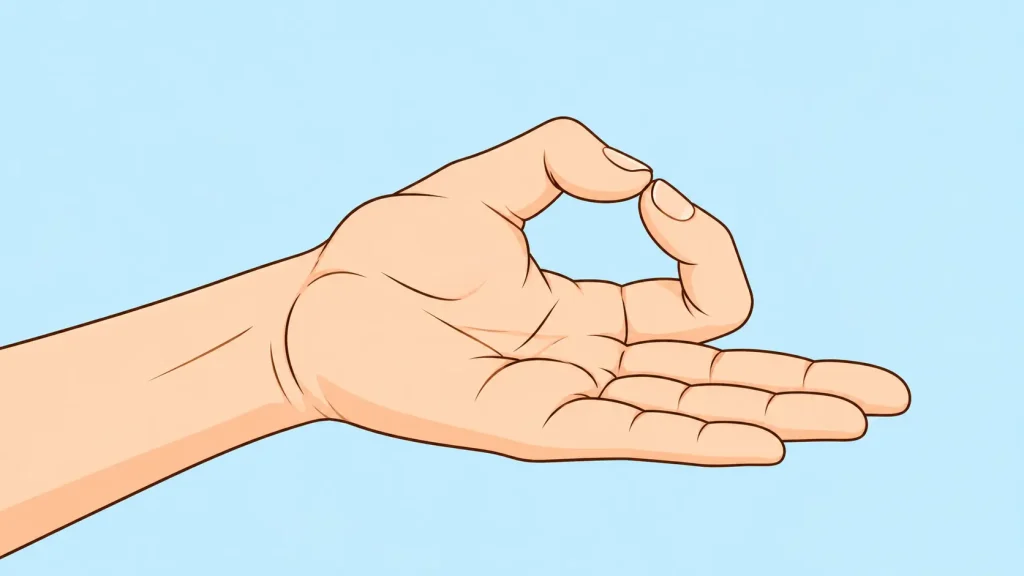
- Touch the tip of the index finger to the tip of the thumb to form a circle
- Keep the remaining three fingers straight and relaxed
- Turn palms upward for an open, receptive quality or downward for grounding
- Close the eyes, focus on the breath, and hold for 10 to 15 minutes
Key Benefits for Sleep
- Quiets repetitive thinking and mental loops that delay sleep onset
- Promotes calm and emotional steadiness before bed
- Pairs powerfully with Bhramari pranayama for a mudra for a deep sleep effect
- Reduces anxiety-driven wakefulness during the night
3. Prana Mudra
The restoration mudra. Prana Mudra helps with that tired but wired feeling after intense training. It replenishes lost prana, allowing the body to rest deeply instead of just drifting into half-sleep.
How it Works (The Science and The Subtle)
Connecting the ring and little fingertips to the thumb activates earth and water elements. This helps ground excess vata, or air energy, which can cause physical restlessness. It replenishes pranic reserves at the subtle body level, addressing the energetic root of fatigue without rest.
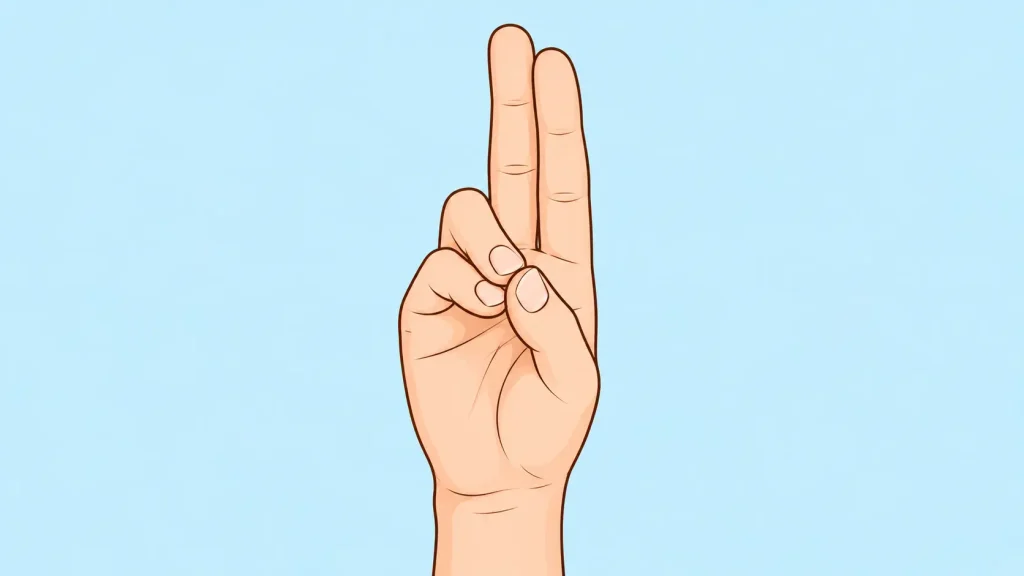
How to Perform
- Sit comfortably or lie in Savasana with hands resting naturally
- Bring the tips of the ring finger and little finger to touch the tip of the thumb
- Keep the index and middle fingers extended and relaxed
- Rest both hands on the thighs or at the sides of the body
- Close the eyes, breathe slowly, and hold for 15 to 20 minutes
Key Benefits for Sleep
- Addresses the wired-but-tired state after intensive physical training days
- Replenishes depleted prana at the subtle body level
- Grounds excess mental and physical restlessness through earth and water elements
- Supports deeper, more restorative sleep cycles over consistent practice
- Suitable for use during the day to restore energy without causing drowsiness
Why Does Evening Yoga Practice Improve Sleep
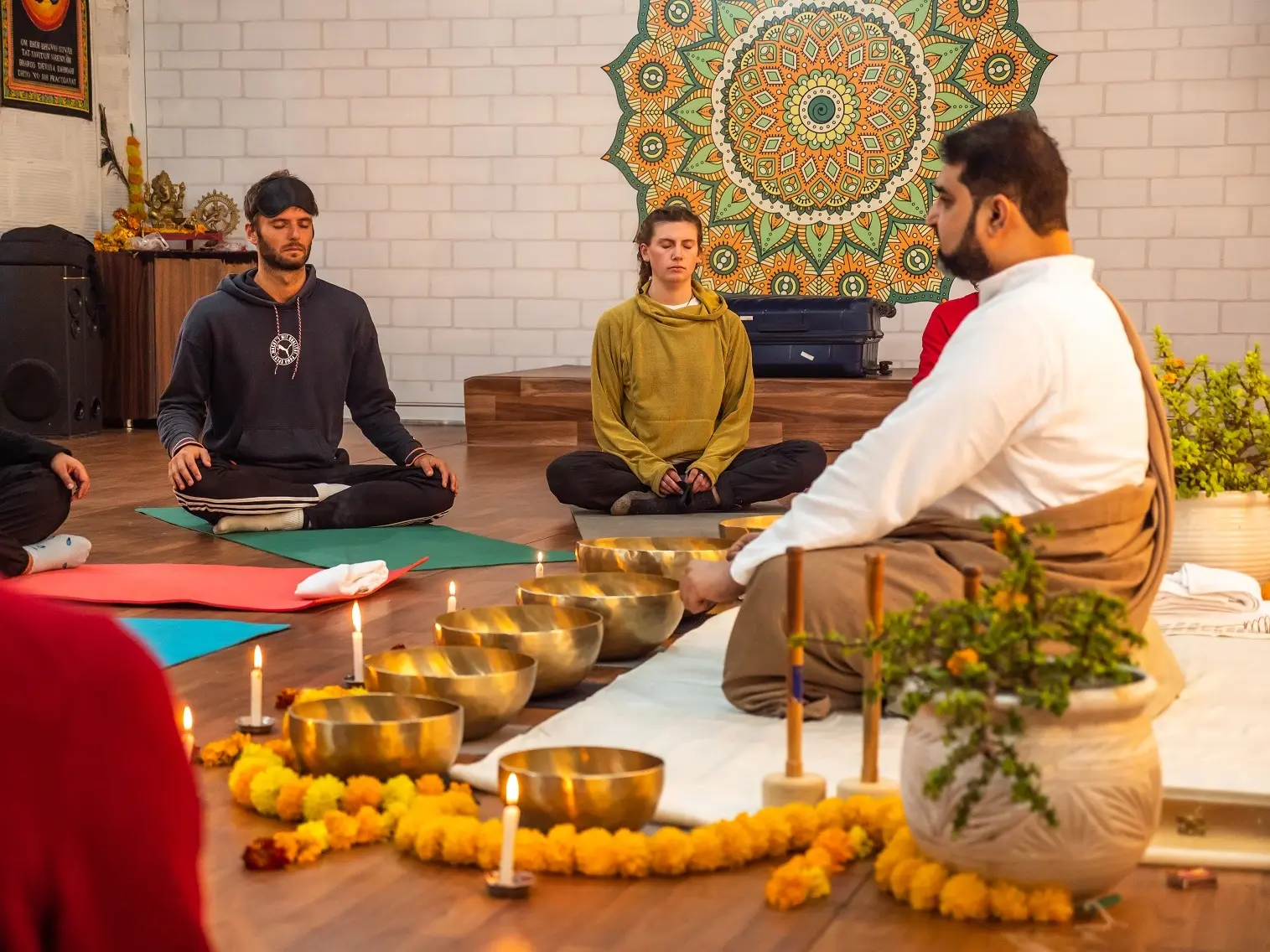
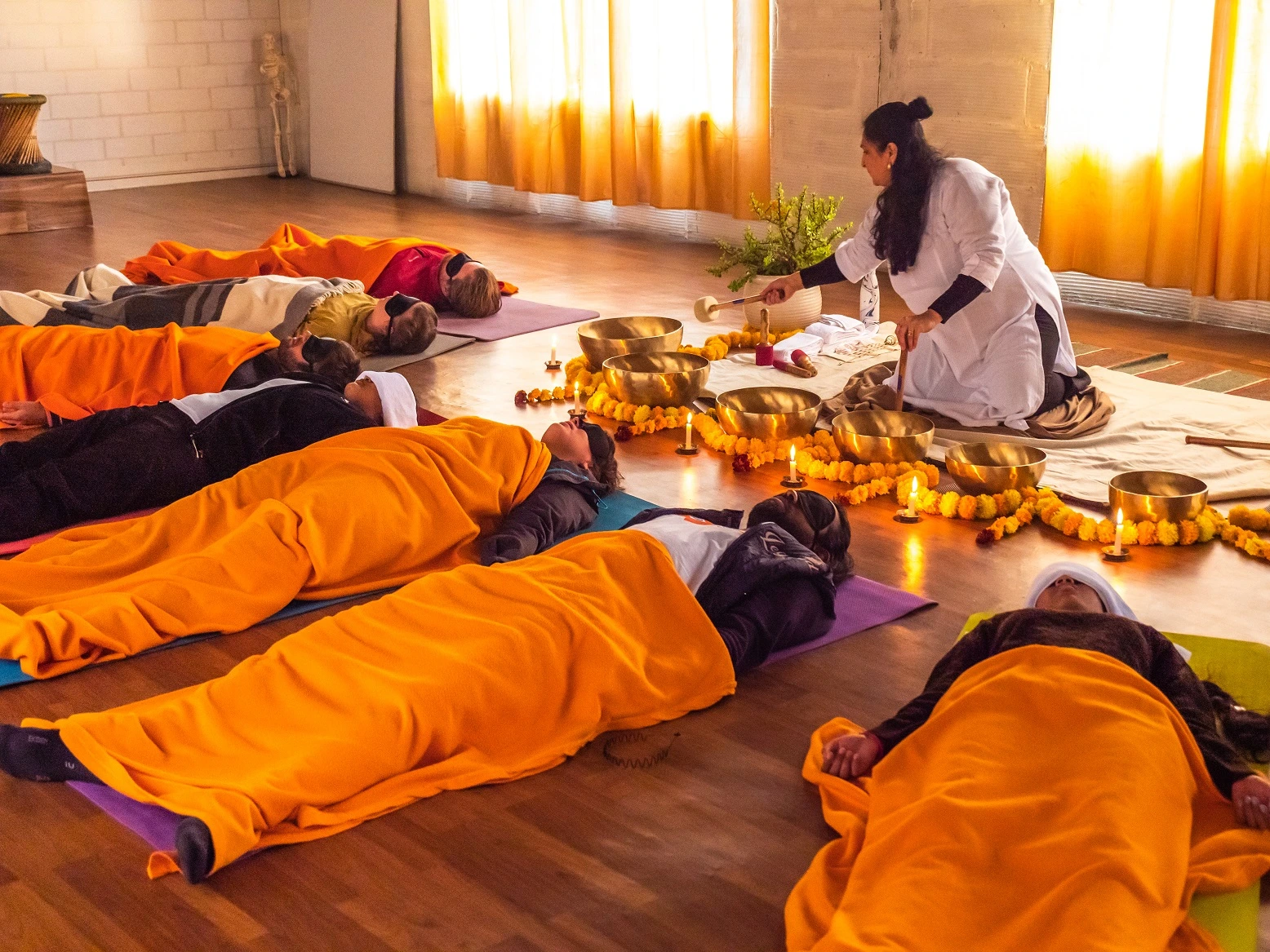
At Ekam Yogashala, the evening session from 6:00 PM to 7:00 PM is not a wind-down. It is a precise intervention. The best evening yoga routine for deep sleep used here combines restorative asana held for extended periods, guided Yoga Nidra, and breathwork. Yoga Nidra has been shown in many studies to lower activity in the default mode network. This part of the brain causes the repetitive thoughts that often prevent sleep.
The Himalayan foothills yoga retreat provides a unique experience that city studios can’t match. You’ll enjoy cool air, natural darkness, and the gentle sound of the Ganga. These factors help the nervous system feel secure and peaceful.
What Is the Best Time to Practice Mudras for Sleep
Practicing mudras in yoga during the last 15 to 20 minutes before bed produces the most immediate effect. Practicing in the evening, after dinner and before meditation, readies the nervous system. Both approaches work. Consistency matters more than timing. Pairing any sleep mudra with slow nasal breathing amplifies its effect significantly.
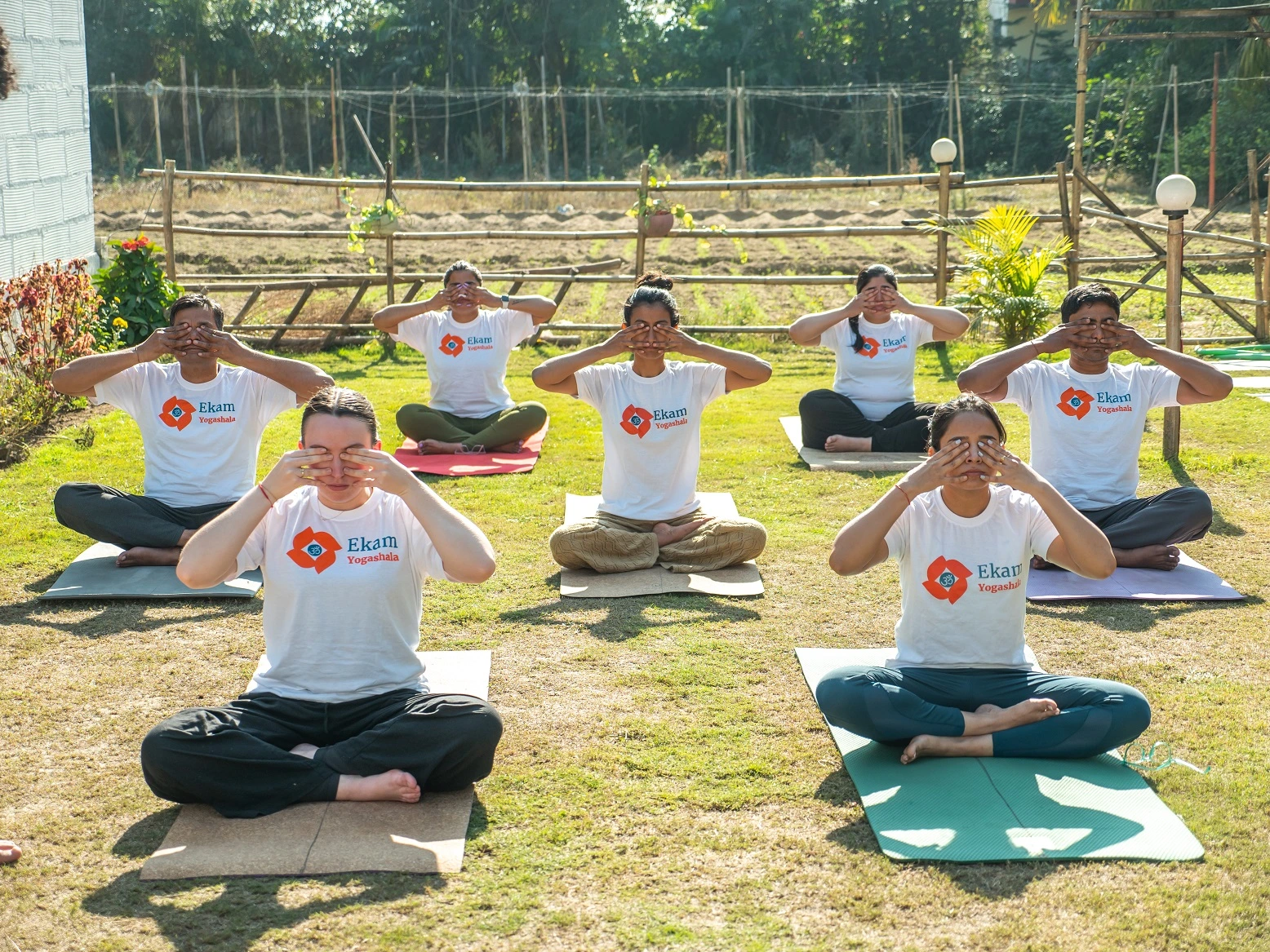
At Ekam Yogashala, students practice mudras both during the 6:00 PM to 7:00 PM session and independently in their rooms before sleep. To use hand mudras for relaxation before bedtime, follow these steps:
1. Choose one mudra.
2. Sit or lie still.
3. Close your eyes.
4. Breathe slowly through your nose.
5. Hold the gesture gently.
The Nidra mudra / Gyan mudra benefits accumulate with consistency. Most students notice a clear change in sleep quality within the first week of training. They say this improvement comes from both evening practice and mudra together, not just one on its own.
Experience Deep Sleep at Ekam Yogashala, Rishikesh
Life inside a Rishikesh yoga school is an environment designed for restoration. Why travelers go to Rishikesh for yoga and healing is simple: the location enhances the practice. The daily routine of yoga teacher trainees in India is not just discipline. It is a template for how a human being actually recovers, repairs, and wakes up ready.
You can do most of this at home. Start with an early schedule and have screen-free evenings. Use a consistent mudra for better sleep. Then, practice ten minutes of Yoga Nidra before bed. The 200 hour yoga teacher training in Rishikesh just does it all at once, in a setting where the environment is already doing half the work.
The 200-hour program at Ekam Yogashala is residential. It features daily Yoga Nidra, evening meditation, mudra, and pranayama lessons. You’ll also follow a complete lifestyle routine that helps reset your sleep from the first week. Yoga Alliance USA certified. Apply for the Next Batch!
Frequently Asked Questions
Q1. Which mudra is good for sleep?
Shakti Mudra is the most targeted mudra for sleep and anxiety. Gyan Mudra and Prana Mudra also work well depending on whether the problem is mental or energetic.
Q2. Which mudra is good for high blood pressure?
Gyan Mudra and Prana Mudra help regulate blood pressure by calming the nervous system. Practice for 15 minutes daily alongside slow nasal breathing for best results.
Q3. How long should I hold a mudra for sleep?
Hold any sleeping mudra for 10 to 15 minutes before bed. Beginners can start with 5 minutes and build up. Consistency over weeks matters more than duration in a single session.
Q4. Can I practice mudras lying down?
Yes. Shakti Mudra and Prana Mudra work well in Savasana or lying in bed. This makes them ideal for a bedtime routine without needing to sit upright.
Q5. What pranayama is best for sleep?
Bhramari (humming bee breath) and Nadi Shodhana (alternate nostril breathing) are the most effective pranayama for relaxation before sleep. Practice for 5 to 10 minutes after your evening mudra.
Q6. How does a 200 hour YTT in Rishikesh improve sleep?
The fixed schedule, physical practice, screen-free evenings, Yoga Nidra, and Himalayan environment reset the circadian rhythm within the first week of a 200 hour yoga teacher training in Rishikesh program.
Q7. What is Shakti Mudra and how does it help sleep?
Shakti mudra for sleep activates the parasympathetic nervous system by applying gentle pressure to marma points at the fingertips. The breath naturally slows, and the mind quiets within minutes.
Q8. What is the best evening yoga routine for deep sleep?
Practicing restorative asana, Yoga Nidra for 10 minutes, and Bhramari pranayama before 9 PM leads to the best deep sleep results.
Q9. Is Rishikesh yoga training suitable for people with sleep problems?
Yes. Students with chronic insomnia and anxiety consistently report significant improvement within the first week of a residential yoga course in India program at Ekam Yogashala.
Q10. Can I replicate the Rishikesh sleep system at home?
Yes. A fixed wake time, screen-free evenings, a consistent mudra for deep sleep, and 10 minutes of Yoga Nidra before bed replicate the core mechanism at home.