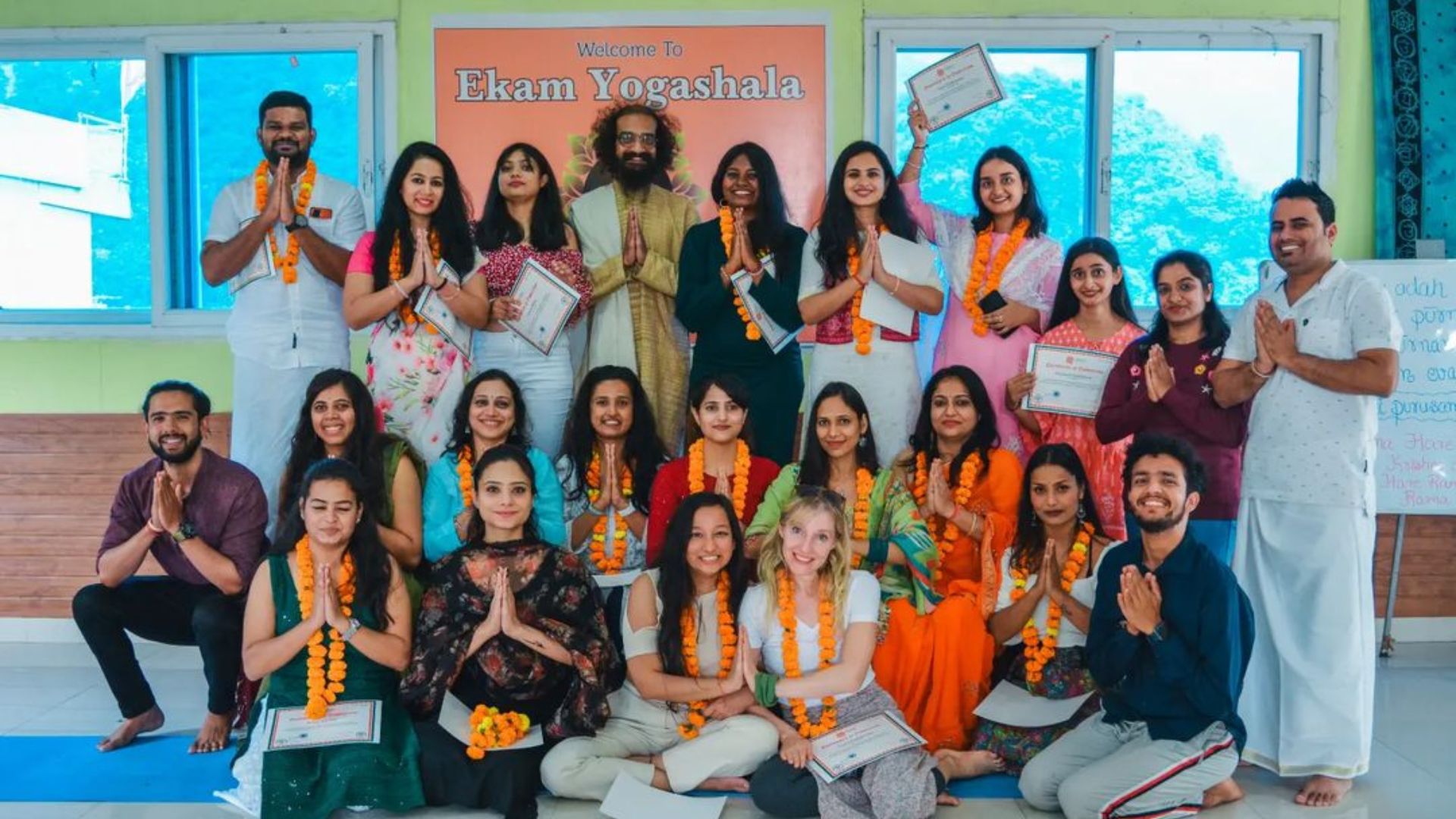
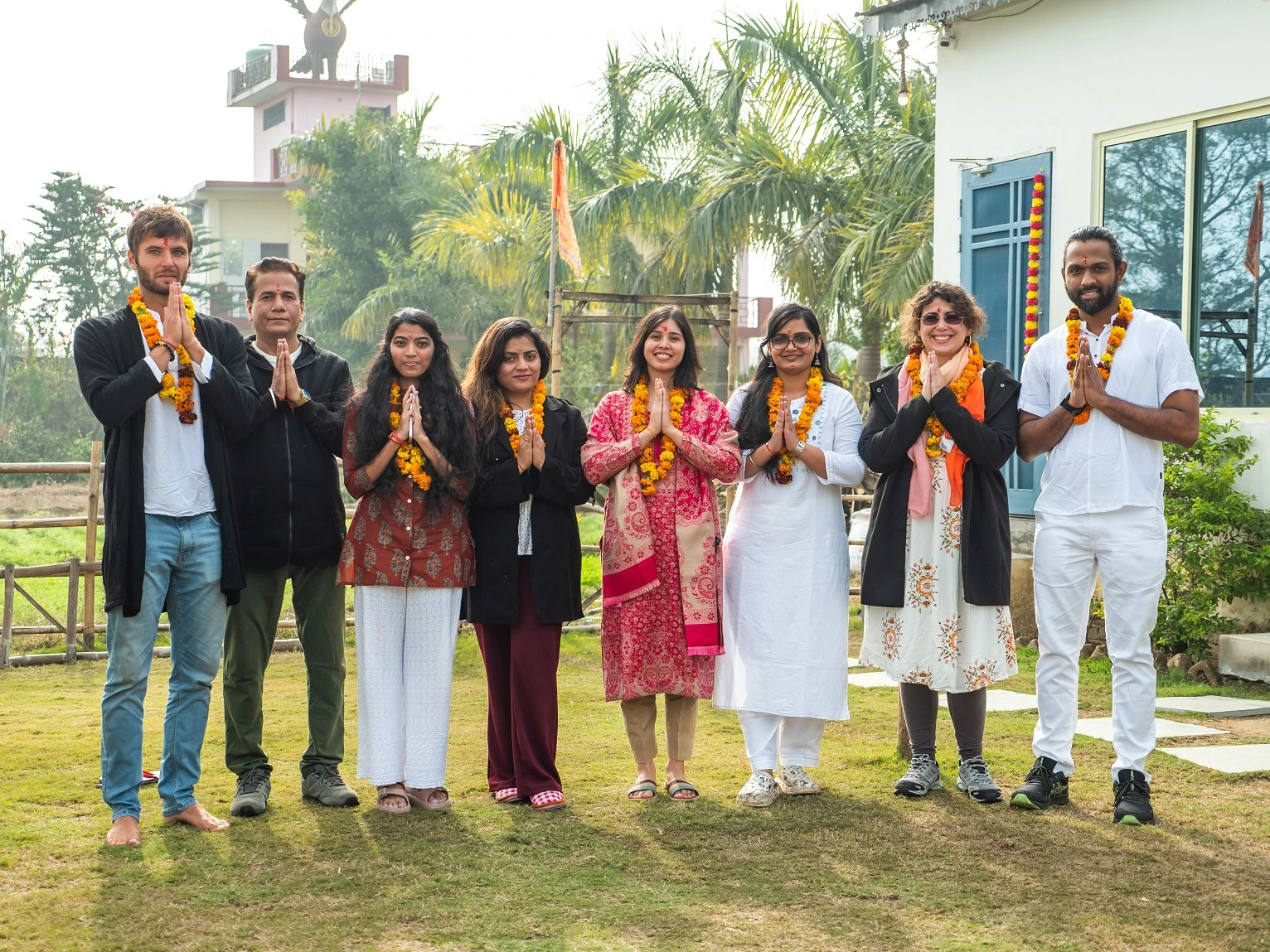
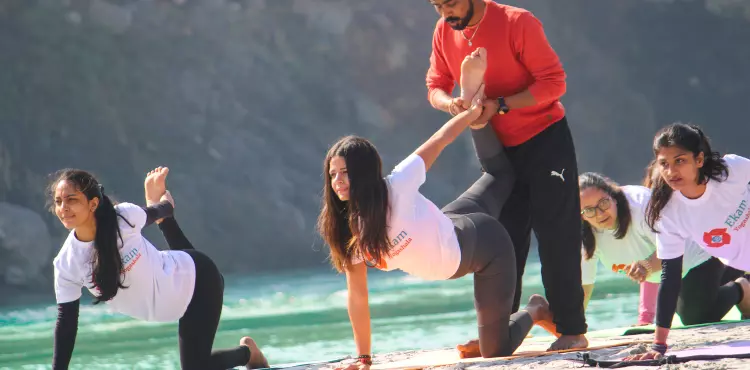
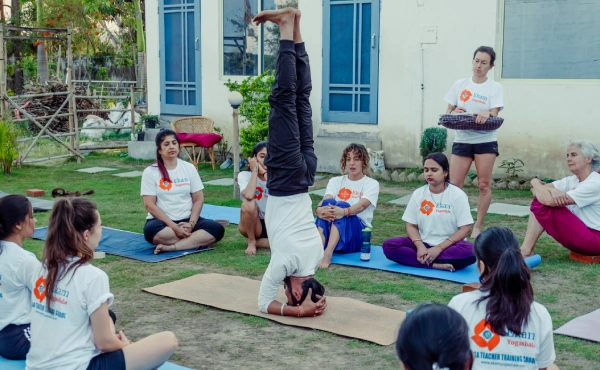
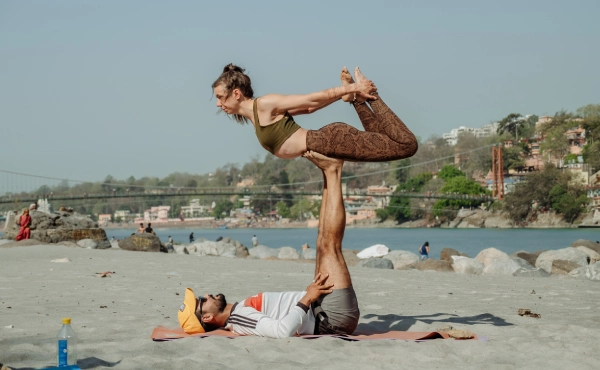
There is a specific moment that happens to almost everyone who lands in India for the first time. It is a sensory shift. The air smells different-a blend of dust, incense, and wet earth. The sounds are louder—temple bells, distant chanting, and the chaotic symphony of life. But beneath it all, there is a vibration.
For thousands of years, seekers have traveled to this land not just to see the sights, but to see themselves. If you are reading this, you are likely feeling that same pull. You aren’t just looking for a certification; you are looking for a transformation.
To study yoga in the West often means mastering the architecture of the body-perfect alignment, precise anatomy, and sweaty flows. But to undertake Yoga Teacher Training in India is to master the architecture of the self. It is a return to the source.
This guide is your roadmap. We will strip away the confusion of course codes and certifications to help you find the path—whether it’s a disciplined 200 hour yoga teacher training course in Rishikesh, an advanced immersion, or a healing yoga retreat-that aligns with your soul’s calling.

Why India? The Global Hub for Spiritual Education
Why fly halfway across the world to roll out a mat?
In modern studios from London to New York, yoga has often been distilled down to Asana (postures). While the physical benefits are undeniable, the physical practice is merely the tip of the iceberg in the yogic tradition.
Yoga Teacher Training in India offers what Western trainings often miss: Context.
Here, the Yamas and Niyamas (ethical codes) aren’t just slides in a PowerPoint presentation; they are the cultural fabric. You learn Pranayama (breath control) from teachers whose lineages go back generations. You experience the power of Mantra chanting in halls where the acoustics were designed for vibration centuries ago.
The affordability is a practical benefit—courses here are often a fraction of the cost of those in Europe or the US-but the true value is the authenticity. It is about stripping away the distractions of your regular life-the emails, the commute, the expectations—to reconnect with the simplicity of being.
Rishikesh: The Yoga Capital of the World
If India is the soul of yoga, Rishikesh is its heartbeat.
Perched on the banks of the holy River Ganges (Ganga) and surrounded by the Garhwal Himalayas, Rishikesh is not just a destination; it is an energy field. In yogic philosophy, this is a Tirtha—a crossing place between the physical and the spiritual worlds.
The Beatles came here in the 60s to meditate, and the world followed. But despite its fame, Rishikesh retains a distinct, serious energy. This isn’t a party town. Alcohol and meat are banned by law within the city limits. The streets are lined with ashrams, cows, sadhus (holy men), and students carrying yoga mats.
When you enroll in a Rishikesh yoga teacher training, you are tapping into a reservoir of energy created by thousands of sages who have meditated on these riverbanks for millennia. Students often report that their practice accelerates here. Meditation becomes deeper; flexibility comes easier. The environment itself supports your growth.

Defining the Styles: What Will You Learn?
Before choosing a course duration, it is vital to understand the style of yoga taught in Rishikesh. Unlike the West, where hybrid styles are common, Rishikesh sticks to the roots.
1. Traditional Hatha Yoga
This is the mother of all yoga styles. It is slower, static, and focused on alignment. In a yoga teacher training in Rishikesh, Hatha modules teach you the stability of the body and the mind. You hold poses for longer, allowing you to observe the fluctuations of the mind.
2. Ashtanga Vinyasa
For those who love discipline and heat. Based on the K. Pattabhi Jois lineage, this is a dynamic, set sequence of postures synchronized with the breath. It is physically demanding and builds immense internal heat (Agni) to purify the body.
3. Vinyasa Flow
A modern evolution of Ashtanga, Vinyasa is about creativity and flow. It is less rigid than Ashtanga but more dynamic than Hatha. Many yoga courses in Rishikesh now blend Hatha and Vinyasa to give teachers a broad toolkit-stability from Hatha, and fluidity from Vinyasa.
The Path of the Teacher: Choosing Your Certification
Navigating the hours and certifications can be confusing. Here is the breakdown of the standard progression, all of which are typically registered with Yoga Alliance USA, ensuring your certificate is valid globally.
The Foundation: 200 Hour Yoga Teacher Training
This is the most important month of your yogic life. The 200 Hour Yoga Teacher Training in Rishikesh is the industry standard for new teachers.
-
Who is it for? Beginners, intermediate practitioners, and anyone who wants to teach.
-
What you learn: You will break down every major asana (alignment, modifications, contraindications). You will study Anatomy (skeletal and muscular systems), Philosophy (Yoga Sutras of Patanjali), and Teaching Methodology (how to sequence a class, voice projection).
-
The Outcome: You graduate as a confident, knowledgeable teacher ready to lead general classes. If you are looking for a 200 hour yoga teacher training in India, this is where your journey begins.
The Bridge: 100 Hour Yoga Teacher Training
Not everyone can take a month off work. The 100 Hour Yoga Teacher Training in Rishikesh allows you to complete the first half of the 200-hour course. You can return later to complete the second half. It is also perfect for students who just want to deepen their practice without the pressure of exams.
The Deepening: 300 Hour Yoga Teacher Training
Once you have your 200-hour certificate and have perhaps taught for a while, you will feel the hunger for more. The 300 Hour Yoga Teacher Training in Rishikesh is the “Level 2” course.
-
Who is it for? RYT-200 certified teachers.
-
The Focus: This course moves from “how to do a pose” to “how to heal with a pose.” You explore Yoga Therapy, advanced hands-on adjustments, complex Pranayama, and deeper philosophy.
-
The Outcome: You become a senior teacher. A 300 hour YTTC in Rishikesh helps you find your unique voice and niche.
The Mastery: 500 Hour Yoga Teacher Training
For the truly dedicated. The 500 Hour Yoga Teacher Training in Rishikesh is a combination of the 200 and 300-hour courses, usually taken back-to-back over 8 weeks.
-
The Reality: This is an intense boot camp for the soul. It requires physical stamina and mental grit.
-
The Reward: You undergo a complete metamorphosis. By immersing yourself for two months in a 500 hour yoga TTC in Rishikesh, you leave with a mastery of the material that usually takes years to acquire.
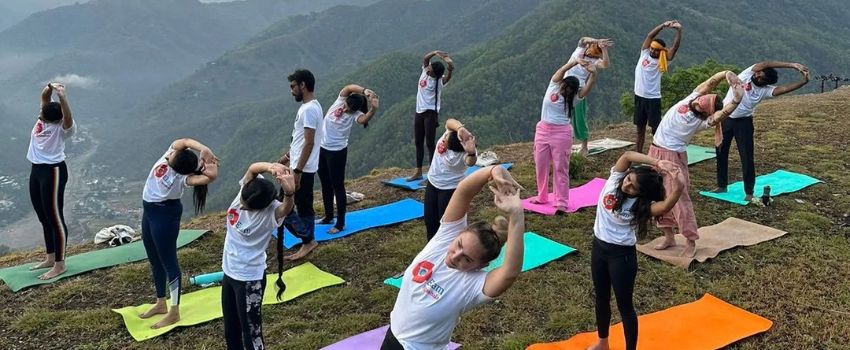
Detailed Comparison: 200 vs 300 vs 500 Hour TTC
| Feature | 200 Hour TTC | 300 Hour TTC | 500 Hour TTC |
| Prerequisites | None / Basic Practice | RYT-200 Certification | None / Basic Practice |
| Duration | 24-28 Days | 28-30 Days | 50-60 Days |
| Focus | Foundations & Mechanics | Subtlety & Therapy | Complete Immersion |
| Intensity | High | Moderate to High | Very High (Marathon) |
| Best For | New Teachers | Existing Teachers | Career Yogis |
If you are unsure, start with the 200 hour yoga teacher training in Rishikesh. It is the prerequisite for everything else.
A Day in the Life: What to Expect on Campus
One of the biggest anxieties for international students is not knowing what the daily routine looks like. It is rigorous, but the rhythm is designed to retrain your biological clock.
- 06:00 AM – 07:30 AM: The day begins with classic Hatha Yoga
- 07:45 AM –08:45 AM: Pranayama, kriya and mantra chanting class
- 09:00 AM –09:30 AM: It’s time for breakfast to get some energy
- 10:30 AM –11:30 AM: Asana Alignment & adjustment
- 12:00 PM –01:00 PM: Yoga Anatomy
- 01:15 PM –01:45 PM: Lunch break and rest time
- 03:00 PM –04:00 PM: Yoga philosophy class
- 04:15 PM–05:45 PM: Dynamic ashtanga vinyasa yoga class
- 06:00 PM–07:00 PM: Meditation & Yoga Nidra
- 07:15 PM–07:45 PM: Dinner Together
This routine repeats for six days a week, with Sundays usually off to explore the town, go rafting, or visit the Beatles Ashram.
Yoga Retreats vs. Teacher Training – The Great Debate
We often see students enroll in a Teacher Training when what they really need is a retreat. Be honest with yourself about your capacity.
Choose a Teacher Training (TTC) if:
-
You are ready to work hard.
-
You want to understand the “Why” and “How” of yoga.
-
You thrive on structure and discipline.
-
You want a globally recognized career certification.
Choose a Retreat if:
-
You are feeling burnt out or recovering from emotional stress.
-
You want a vacation where you also do yoga.
-
You want free time to read, shop, and sleep in.
-
You do not want to take exams.
A yoga retreat in Rishikesh is a sanctuary. Whether it is a quick 3 days yoga retreat in Rishikesh to reset your nervous system, or a 7 days yoga retreat in Rishikesh to build a habit, retreats are about receiving energy, whereas trainings are about building it.

The Healing Power: Yoga & Ayurveda Retreats
For a deeper reset, consider a Yoga & Ayurveda Retreat in Rishikesh These programs combine yoga with India’s ancient medical system. You will receive a consultation with a Vaidya (Ayurvedic doctor) who will check your pulse and determine your body type (Dosha). Your retreat will then include specific herbal massages (Abhyanga), oil treatments (Shirodhara), and a diet tailored to fix your imbalances. It is the ultimate holistic healing experience.
Location Showdown: Rishikesh vs. Kerala vs. Nepal
While Rishikesh is the capital, other locations offer unique vibes. It is helpful to understand how they compare.
Rishikesh:
-
Vibe: Spiritual, intense, traditional, river-focused.
-
Best for: The authentic “Ashram” experience and serious study.
-
Training: This is the primary hub for yoga training in Rishikesh and authentic yoga courses.
Kerala:
-
Vibe: Tropical, humid, lush, quiet.
-
Best for: Ayurveda and healing. If you are looking for a yoga teacher training in Kerala or a 200 hour yoga teacher training in Kerala, expect a slower pace and a focus on wellness over gymnastics.
Nepal:
-
Vibe: Mountainous, majestic, cool air.
-
Best for: Trekkers and nature lovers. A yoga teacher training in Nepal (often in Pokhara) offers stunning views of the Annapurnas. Yoga teacher training Pokhara is great if you struggle with the heat of India, but Rishikesh remains the center for academic depth.
However, for the sheer volume of knowledge and the “university” atmosphere of yoga, Rishikesh remains the top choice for advanced studies and foundational training alike.
The Practical Guide for International Students
Traveling to India requires some logistical preparation. Here is your cheat sheet for a smooth arrival.
1. The Visa
Most international students enter on a Tourist E-Visa.
-
Options: 30-day, 1-year, or 5-year tourist visas are available for most nationalities (USA, UK, EU, Aus, etc.).
-
Tip: Apply for the 1-year or 5-year visa. The cost difference is minimal, and it gives you the flexibility to return or extend your stay if you fall in love with India (which many do).
-
Note: While “Student Visas” exist, they are complex to get for yoga schools. The Tourist visa is the standard for short-term courses (under 6 months).
2. Getting to Rishikesh
-
Fly: Fly into New Delhi (DEL). From there, take a domestic flight to Dehradun (DED) – Jolly Grant Airport. It is a 45-minute flight. From Dehradun, it’s a 40-minute taxi ride to Rishikesh (Tapovan or Laxman Jhula area).
-
Bus: For the budget traveler, take a Volvo AC Bus from Delhi (Kashmere Gate). It takes 6-7 hours and is quite comfortable.
-
Taxi: A private taxi from Delhi airport to Rishikesh takes about 5-6 hours.
3. When to Go (Weather Guide)
-
Peak Season (Sep–Nov & Feb–Apr): The weather is perfect. Warm days, cool nights. This is when the town is buzzing.
-
Winter (Dec–Jan): It gets cold (down to 5°C at night). Bring a jacket and warm socks. The yoga halls are not heated.
-
Summer (May–Jun): It gets hot (35°C+). Classes are sweaty, but the river is refreshing.
-
Monsoon (Jul–Aug): Humid and rainy. Great for introspection and solitude, but less ideal for sightseeing.
4. What to Pack
-
Clothing: Modesty is key here. Leggings and t-shirts are fine for class. Outside class, cover shoulders and knees. Bring loose, breathable cottons.
-
Essentials: A good yoga mat (though schools provide them, your own is cleaner), a refillable water bottle with a filter, earplugs, and a journal.
-
Money: ATMs are everywhere. Carry some cash (Rupees) for small shops and fruit stands.
Career Opportunities: Life After the Course
Graduating from a yoga teacher training in India is a badge of honor. It separates you from the crowd. When studio owners see “Rishikesh” on your CV, they know you have been trained in the roots of the practice.
Career Paths:
-
Studio Instructor: Teaching group classes is the standard starting point.
-
Corporate Wellness: Companies are paying heavily for mindfulness. Use your 200 hour yoga teacher training course in Rishikesh skills to teach office yoga.
-
Retreat Leader: Once you have experience, organize your own yoga retreats in India.
-
Niche Specialist: Use your 300 hour yoga teacher training in Rishikesh knowledge to specialize in Prenatal Yoga, Yoga for Seniors, or Trauma-Informed Yoga.
Frequently Asked Questions (FAQs)
1. Is Rishikesh safe for solo female travelers?
Yes. Rishikesh is one of the safest towns in India. The “party” element is absent, and the locals are accustomed to international women. However, standard precautions apply: don’t walk alone in unlit areas at night and dress modestly to avoid unwanted attention.
2. I can’t do a headstand. Can I still join a 200-hour course?
Absolutely. The course is Teacher Training, not Performer Training. You are there to learn how to teach. Advanced poses are a journey, not a prerequisite.
3. What if I get sick (Delhi Belly)?
Stomach upsets happen as your microbiome adjusts. Eat at clean cafes, avoid tap water (even for brushing teeth), and eat freshly cooked food. Pharmacies in Rishikesh are well-stocked with electrolytes and probiotics.
4. How many students are in a class?
This varies. Some schools have huge halls with 50+ students. Others keep it intimate with 10-15. Ask this question before booking your yoga teacher training in Rishikesh. Smaller groups often mean more personal attention for alignment.
5. Is the 500-hour course too much for a beginner?
It is intense. If you are brand new to yoga, we recommend starting with the 200 hour yoga teacher training in Rishikesh. Give yourself time to integrate the teachings before jumping into the 300 hour yoga teacher training in Rishikesh India.
6. Can I work remotely while doing the training?
It is not recommended. The schedule is packed from 6 AM to 8 PM. You will be physically exhausted. If you must work, look for a 100 hour yoga teacher training in Rishikesh or a retreat with a lighter schedule.
7. Is English spoken?
Yes. All international yoga schools conduct classes in English. The teachers are fluent and used to different accents.
Conclusion: The Guru is Within
Ultimately, a Yoga Teacher Training in India is not about the piece of paper you receive at the end. It is about the person you become during the process.
It is about the moment you hold a difficult pose and realize you are stronger than you thought. It is about the tearful breakthrough during meditation when you finally let go of an old wound. It is about the friendships you forge over chai with people from twenty different countries, all united by a desire to grow.
Rishikesh provides the container-the mountains, the river, the lineage. But the transformation? That comes from you.
Whether you are drawn to the discipline of a 500 hour yoga teacher training, the foundation of a 200 hour yoga teacher training in Rishikesh, or the gentle embrace of a 5 days yoga retreat in Rishikesh, the journey starts with a single decision.
The mat is rolled out. The incense is burning. The teacher is waiting.
Are you ready to find your path? Explore our upcoming course dates and begin the journey of a lifetime.
You may also like:
 12 Poses of Surya Namaskar: Step-by-Step Guide with Benefits
 Life-changing Experiences and personal growth in a 300-Hour Yoga Teacher Training in Rishikesh
 100 Hour vs 200 Hour vs 300 Hour Yoga TTC – Which One Should You Choose in Rishikesh?
 Top 5 Reasons to Choose Rishikesh for Your Yoga Teacher Training in 2023