Choosing where to begin your journey as a yoga teacher is a deeply personal decision. For many international students, the search often leads to a crossroad: do you stay close to home for convenience, or do you travel to the birthplace of yoga for authenticity?
In recent years, Goa has emerged as the definitive bridge between these two worlds. For a student traveling from the USA, Europe, or Australia, the prospect of a 200 Hour Yoga TTC in Goa offers more than just a certificate; it offers a transformative rite of passage. It balances the profound, ancient wisdom of Indian yogic traditions with a coastal, cosmopolitan environment that feels safe, welcoming, and accessible.
In this guide, we explore why this palm-fringed paradise has become the gold standard for international practitioners looking to transition from dedicated students to confident, world-class instructors.
What is a 200 Hour Yoga TTC and Why It Matters globally?
The 200-hour Yoga Teacher Training Course (TTC) is the foundational international standard for yoga education. Recognized by organizations like Yoga Alliance (USA), this 200-hour landmark ensures that a teacher has undergone rigorous training in anatomy, philosophy, sequencing, and teaching methodology.
For the international student, this certification is their “global passport.” Whether you intend to teach in a boutique studio in London, a community center in Toronto, or launch an online platform from Sydney, a Yoga Alliance-certified 200-hour training ensures your credentials are respected and your insurance is valid. It is the essential first step in professionalizing your passion.
Why Goa is a Top Destination for International Yoga Students
Goa is unique. Unlike the intense, spiritual austerity often found in northern pilgrimage sites, Goa offers a “soft landing” into India. It is a place where East meets West in a harmonious blend of Portuguese architecture, lush tropical jungles, and some of the world’s most beautiful sunsets.
For someone traveling across continents, Goa provides a familiar comfort. The local culture is accustomed to international travelers, the pace of life is relaxed (the famous Susegad spirit), and the natural beauty of the Arabian Sea provides a meditative backdrop that naturally enhances the learning process.

Benefits of Choosing a 200 Hour Yoga TTC in Goa
If you are weighing your options, here is why a yoga teacher training in Goa consistently ranks as the top choice for students globally.
1. Global Recognition through Yoga Alliance Certification
When you invest a month of your life and significant resources into a course, you need to know it carries weight. Most reputable schools in Goa provide a Yoga Alliance-certified curriculum. This means your training meets international benchmarks, allowing you to register as an RYT-200 (Registered Yoga Teacher) immediately upon graduation.
2. Authentic Indian Roots with a Modern Lens
There is an intangible energy that comes with learning yoga in India. In Goa, you aren’t just learning “fitness yoga”; you are immersed in the roots of Hatha and Ashtanga. You learn from Indian teachers who live and breathe the philosophy, yet understand the Western musculoskeletal framework and lifestyle challenges. This hybrid approach is invaluable for teaching diverse populations back home.
3. English-Taught Curriculum
Language is often a concern for international travelers. Goa’s yoga schools operate entirely in English. The instructors are highly proficient, ensuring that complex philosophical concepts from the Bhagavad Gita or Yoga Sutras are communicated clearly and effectively, leaving no room for misunderstanding.
4. Exceptional Value for Investment
A 200-hour training in New York or Berlin can cost upwards of $3,500–$4,500, often excluding food and accommodation. In Goa, students can access world-class training, comfortable lodging, and three nutritious Ayurvedic meals a day for a fraction of that price. Even with the cost of an international flight, the “all-inclusive” nature of a yoga TTC in Goa offers far superior value.
5. Cultural Immersion and the Beach Lifestyle
Yoga is about the union of body, mind, and environment. Between intensive classes, students can walk on the beach, swim in the ocean, or explore local spice markets. This “retreat-style” atmosphere prevents burnout during the intensive 200-hour schedule, allowing the body to recover in the salt air and sunshine.
Why Ekam Yogashala is a Trusted Choice
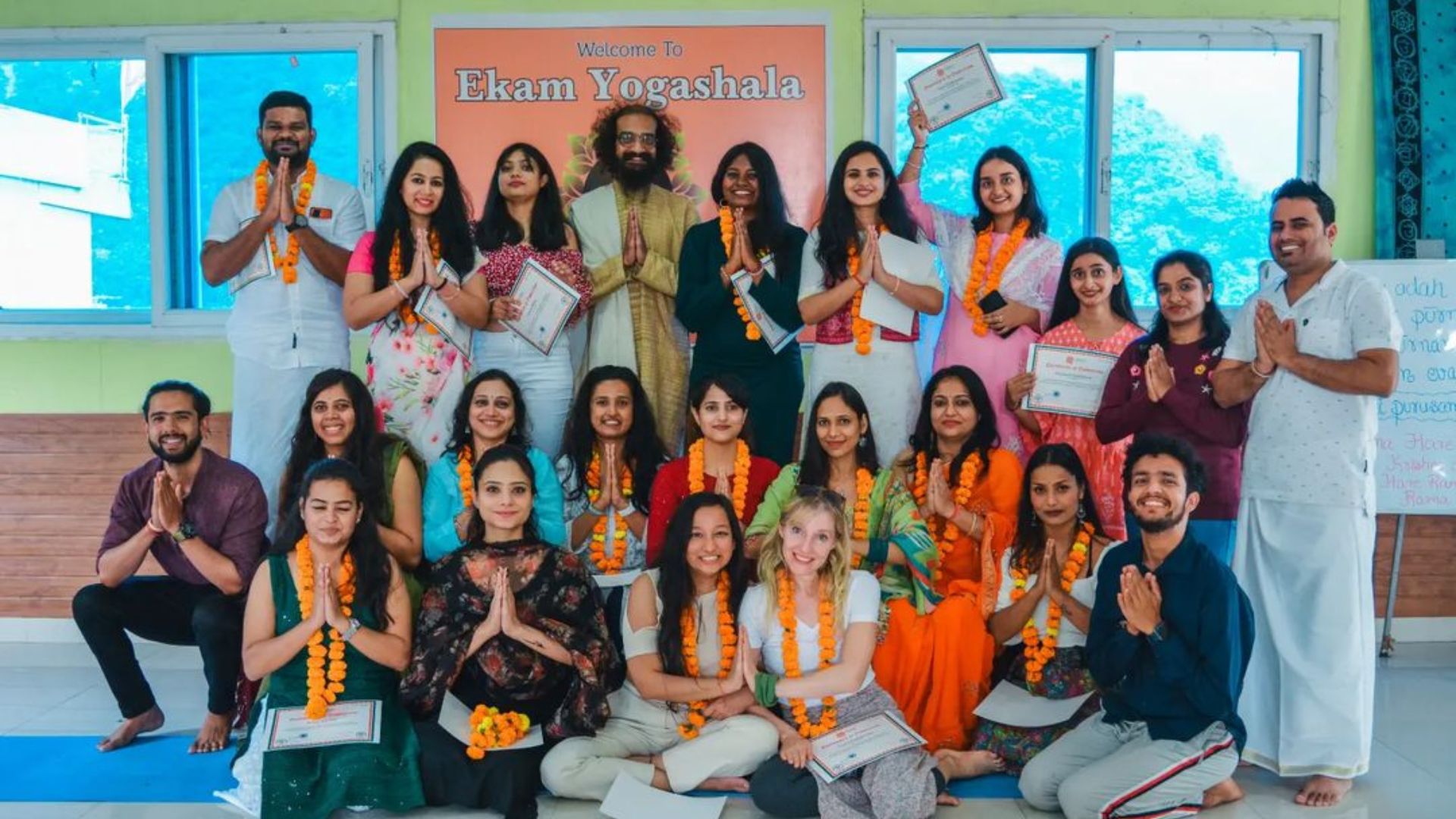
For many international students, Ekam Yogashala represents a sanctuary of authentic learning. The school understands the specific needs of those traveling from abroad-focusing on safety, hygiene, and a supportive community atmosphere.
Rather than a “factory” style of teaching, the approach here is personalized. By maintaining a balance between traditional disciplines and modern comfort, they ensure that the transition into the yogic lifestyle is sustainable. It is a place where the ancient lineage of yoga is respected, but the practicalities of a 21-day intensive course are managed with professional excellence.

Career Opportunities After Your Training
Completing your 200 hour yoga teacher training in Goa is not an end, but a beginning. With this certification, international students often pursue:
-
Studio Teaching: Working at established yoga studios in their home countries.
-
Corporate Wellness: Bringing mindfulness and movement to high-stress office environments.
-
Digital Entrepreneurship: Creating online courses or hosting live-streamed classes for a global audience.
-
Retreat Hosting: Using the skills learned in Goa to eventually lead their own wellness retreats in beautiful locations worldwide.
Addressing Common Concerns for International Students
It is natural to have questions when traveling to India for the first time. Here is what you should know:
-
Visa Requirements: Most students arrive on an e-Tourist visa, which is a simple online process for most nationalities.
-
Safety: Goa is widely considered one of the safest states in India for solo female travelers and international tourists. The yoga communities are tight-knit and welcoming.
-
Food and Water: Schools prioritize “Yogic” diets-fresh, vegetarian, and prepared with filtered water to ensure students stay healthy and energized throughout their training.
-
Accommodation: You can expect clean, ventilated rooms, often with the option of private or shared occupancy to suit your budget.
Who is This Course Ideal For?
The international students yoga teacher training Goa experience is designed for:
-
The Aspiring Professional: Those who want a solid, recognized foundation to start a new career.
-
The Deep Seeker: Practitioners who may not want to teach but want to immerse themselves in yoga philosophy and personal growth.
-
The Career-Breaker: Individuals taking a sabbatical who want to reset their mental and physical health in a meaningful way.
-
The Global Traveler: Someone who loves to combine education with cultural exploration.
Conclusion
Embarking on a 200 Hour Yoga TTC in Goa is perhaps one of the most rewarding investments you can make in yourself. It is a rare opportunity to disconnect from the digital noise of the West and reconnect with the rhythmic pulse of your own breath, all while surrounded by a community of like-minded souls from around the globe.
In Goa, the transformation happens both on and off the mat. You arrive as a student, but you leave as a teacher, carrying a piece of India’s soul back to your home country. If you’ve been waiting for a sign to take the leap, the shores of Goa are ready to welcome you.
Frequently Asked Questions
1. Is a 200-hour certificate from India valid in my country?
Yes. If the school is registered with Yoga Alliance (USA), your certificate is recognized globally, including in the USA, UK, Canada, Australia, and across Europe.
2. I am a beginner; can I join the 200-hour TTC?
Absolutely. The 200-hour course is designed as a foundational program. While having a few months of consistent practice is helpful, the curriculum is built to take you from the basics to a confident teaching level.
3. What is the best time of year to do yoga training in Goa?
The peak season is from October to April, when the weather is dry, sunny, and pleasant. This is when most international students flock to the beaches of North and South Goa.
4. Do I need to bring my own yoga mat?
Most schools provide mats and props, but many international students prefer to bring their own travel mat for personal hygiene and comfort.
5. How many students are typically in a batch?
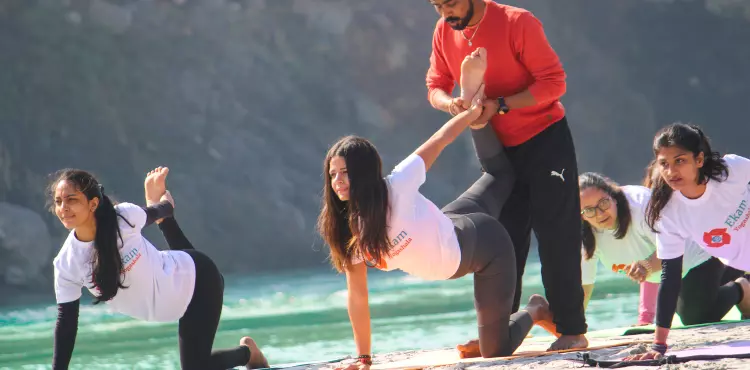
To ensure quality instruction, reputable schools like Ekam Yogashala usually limit batches to 15–20 students, allowing for personalized alignment corrections and mentorship.