Can’t Sleep? Your Hands Hold the Ancient Key to Restful Nights.
In today’s relentless world, truly restful sleep feels like a distant dream for many. A racing mind, endless to-do lists, and constant screen glow often leave us tossing and turning, leading to chronic insomnia and fragmented nights. While temporary fixes exist, they rarely address the deeper energetic and mental imbalances that sabotage our sleep.
But what if a powerful, natural solution was literally at your fingertips?
Yoga offers a profound, holistic pathway to healing, and one of its most subtle yet incredibly powerful tools is Yoga Mudras. These simple, intentional hand gestures are more than just poses; they are energetic seals that help regulate your life force (prana), soothe the nervous system, and gently guide your body and mind into a state of deep relaxation. When practiced consistently with mindful breathing, yoga mudras can dramatically improve sleep quality and naturally resolve even stubborn insomnia.
At Ekam Yogashala, we honor and teach yoga mudras as an essential component of traditional yogic science, fostering both profound physical well-being and crystal-clear mental clarity.
Let’s unlock the secret to peaceful slumber with these five powerful yoga mudras.
1. Gyan Mudra (Mudra of Knowledge)
The Ultimate Calmer for an Overactive Mind
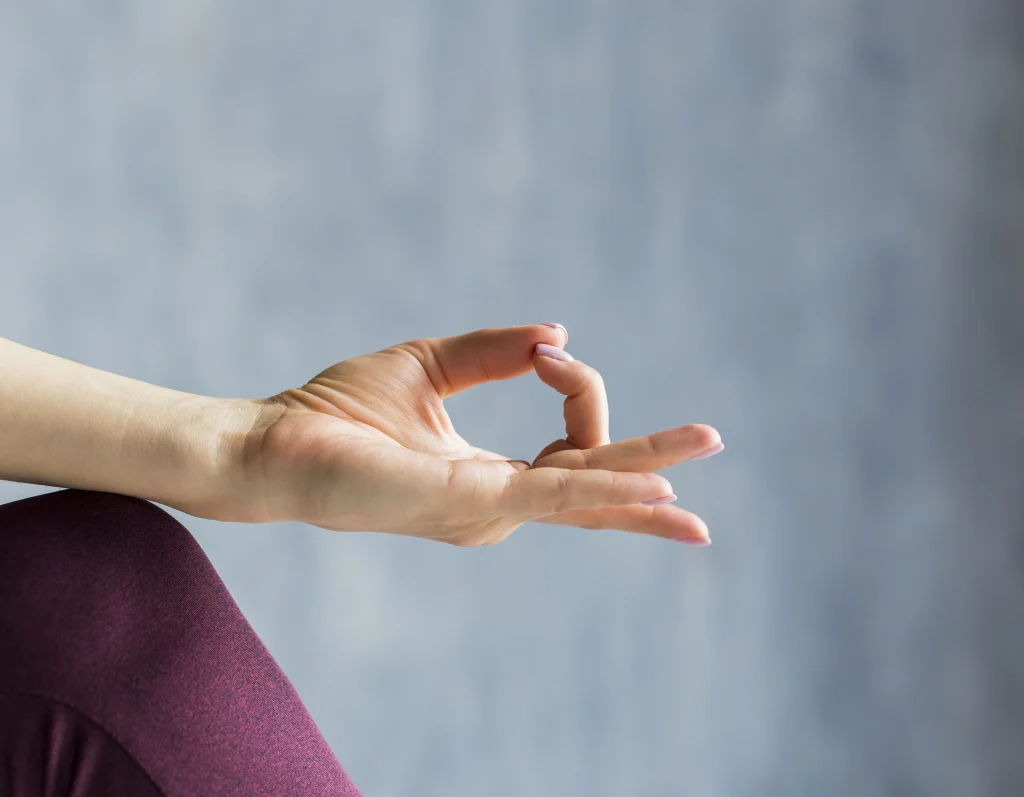
The Gyan Mudra is perhaps the most universally recognized and practiced yoga mudra. Symbolizing the profound union of individual consciousness with universal wisdom, this mudra is exceptionally effective at quieting a chattering mind – often the primary culprit behind restless nights and inability to fall asleep.
How it Works (The Science & The Subtle): By joining the thumb (representing universal consciousness) and index finger (representing individual consciousness), Gyan Mudra helps to redirect and stabilize the flow of prana (life energy) in the body. This subtle energetic shift directly impacts the nervous system, engaging the parasympathetic “rest and digest” response and disengaging the “fight or flight” sympathetic system that keeps us awake.
How to Perform
-
Sit comfortably in Sukhasana (Easy Pose) or Padmasana (Lotus Pose), ensuring a straight, yet relaxed, spine.
-
Gently touch the tip of your index finger to the tip of your thumb.
-
Keep the other three fingers relaxed, extended, and naturally spread.
-
Rest your hands on your knees with palms facing upward, allowing the energy to flow.
-
Close your eyes softly and begin to breathe slowly and deeply, focusing on the rhythm of your breath.
Key Benefits for Sleep
-
Reduces Stress & Anxiety: Directly calms the mind, alleviating mental chatter and worry.
-
Soothes the Nervous System: Activates the body’s natural relaxation response.
-
Improves Mental Clarity: Helps to clear mental fog, promoting a sense of inner peace.
Practice Tip: Integrate Gyan Mudra into your evening routine for 15-30 minutes daily, especially right before bedtime. Combine it with long, slow, deep breaths – breathing in for a count of 4, holding for 2, and exhaling for 6.
2. Shuni Mudra (Mudra of Patience)
Stabilizing Emotions for Undisturbed Sleep
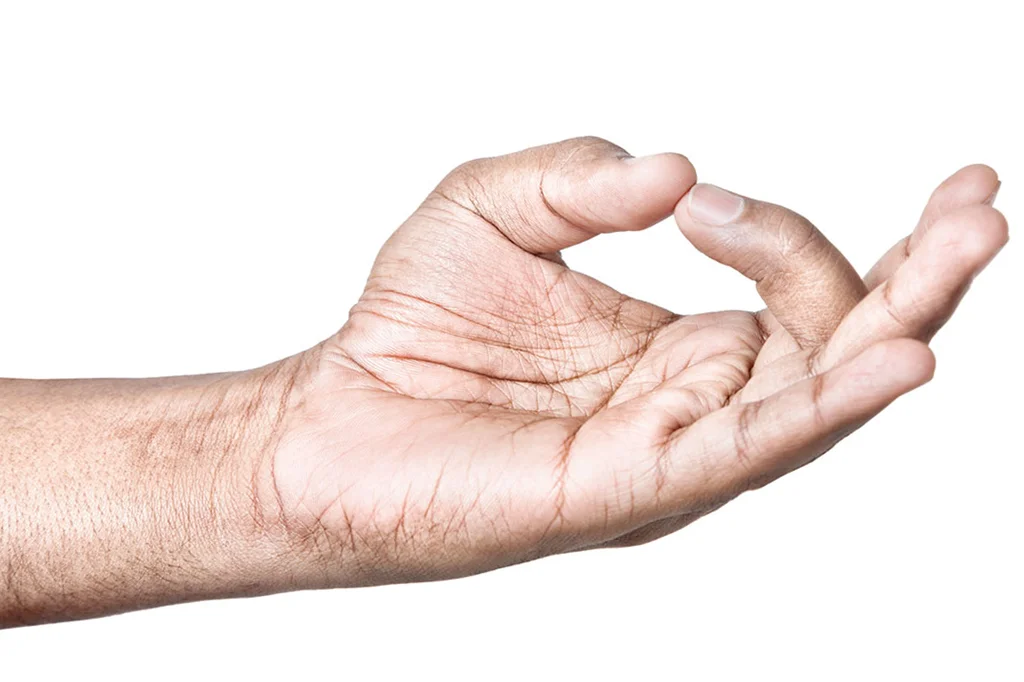
Shuni Mudra is a powerful gesture that promotes patience, emotional stability, and inner discipline. It plays a crucial role in balancing the subtle energies connected to the nervous system, making it incredibly beneficial for individuals who experience restlessness, anxiety, or emotional turbulence that prevents them from falling asleep.
How it Works (The Science & The Subtle): Connecting the thumb (universal consciousness) with the middle finger (representing Akash or ether, and linked to patience and discipline), Shuni Mudra helps to clear energetic blockages that manifest as mental unease. This facilitates a deeper state of emotional calm, allowing the nervous system to settle and prepare the body for restorative sleep.
How to Perform
-
Sit comfortably with a straight but relaxed spine.
-
Gently touch the tip of your middle finger to the tip of your thumb.
-
Keep the other three fingers relaxed and extended.
-
Place your hands on your knees, palms facing upward.
-
Breathe calmly with your eyes closed, observing your breath.
Key Benefits for Sleep
-
Reduces Restlessness: Calms agitated emotions and mental unease.
-
Promotes Mental Calmness: Fosters a sense of inner peace and serenity.
-
Supports Nervous System Regulation: Helps to balance overstimulated nerves.
Practice Tip: Hold this mudra for 15–20 minutes, ideally during meditation or pranayama (breathing exercises), to maximize its calming effects before sleep.
3. Prana Mudra (Mudra of Life)
Reinvigorating Energy for Deeper Rest
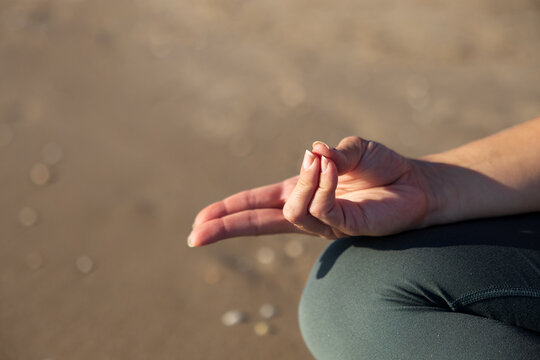
Prana Mudra is known for activating dormant life-force energy (prana) within the body. It’s exceptionally helpful for individuals experiencing chronic fatigue, persistent stress, or sleep disorders stemming from low energy levels and sheer exhaustion. While it boosts energy, it does so in a balancing way that ultimately supports the body’s natural sleep-wake cycle.
How it Works (The Science & The Subtle): By joining the thumb (fire), ring finger (earth), and little finger (water), Prana Mudra is believed to stimulate the root chakra and balance the elemental forces that govern vitality. This helps to re-energize the body in a grounded way, reducing the “wired but tired” sensation and allowing for more profound relaxation when it’s time to sleep. It also supports better oxygen circulation, which is crucial for restorative sleep.
How to Perform
-
Sit in a comfortable position, ensuring your spine is upright.
-
Gently touch the tips of your ring finger and little finger to the tip of your thumb.
-
Keep your index and middle fingers straight and relaxed.
-
Rest your hands on your knees, palms facing upward.
-
Breathe deeply and slowly, feeling the energy circulate.
Key Benefits for Sleep
-
Reduces Fatigue & Exhaustion: Replenishes vital energy, preventing overtiredness.
-
Calms the Nervous System: Helps to bring balance to an overtaxed system.
-
Improves Oxygen Circulation: Essential for cellular repair and deep sleep.
Practice Tip: Practice for 15–30 minutes, especially in the evening. This isn’t a “last-minute” mudra, but rather one to integrate a few hours before sleep to rebalance energy.
4. Apana Mudra (Mudra of Digestion)
Easing Discomfort for Uninterrupted Sleep
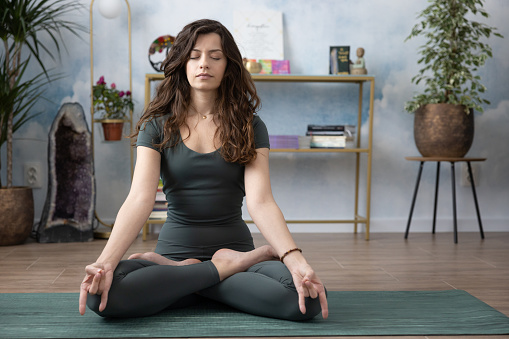
Apana Mudra is specifically known for supporting digestion and detoxification processes within the body. Since digestive discomfort – such as heaviness, bloating, or general uneasiness – frequently disrupts sleep, this mudra is incredibly helpful for anyone experiencing these issues at night.
How it Works (The Science & The Subtle): Connecting the thumb (fire) with the middle (ether) and ring (earth) fingers, Apana Mudra is believed to stimulate the elimination channels of the body. This supports the healthy flow of Apana Vayu, the downward-moving energy responsible for detoxification and excretion. By easing digestive strain, it frees up the body’s energy for rest and repair, leading to more comfortable and uninterrupted sleep.
How to Perform
-
Sit comfortably with a straight but relaxed spine.
-
Gently touch the tips of your middle finger and ring finger to the tip of your thumb.
-
Keep the index and little fingers extended.
-
Place your hands on your knees with palms facing upward.
-
Breathe gently with your eyes closed, allowing your body to relax.
Key Benefits for Sleep
-
Improves Digestion & Elimination: Reduces bloating, gas, and discomfort.
-
Reduces Mental Heaviness: A clear gut often leads to a clearer mind.
-
Promotes Overall Relaxation: Eases physical tension stemming from digestive issues.
Practice Tip: Practice for 15–20 minutes, preferably after meals or before bedtime, to aid digestion and prepare your body for rest.
5. Shakti Mudra (Mudra of Power)
The Deep Relaxer for Insomnia and Anxiety
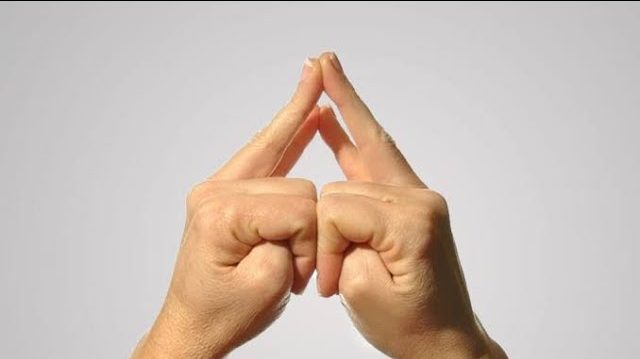
Shakti Mudra is profoundly calming and is specifically recommended for those grappling with stubborn insomnia, pervasive anxiety, and persistent restlessness. This powerful mudra effectively activates the parasympathetic nervous system, meticulously preparing the body and mind for deep, restorative, and truly restful sleep.
How it Works (The Science & The Subtle): Named after Shakti, the divine feminine energy, this mudra helps to internalize energy and quiet the senses. The unique intertwining of fingers creates a closed circuit that deeply soothes the nervous system, reducing mental tension and encouraging the release of physical tightness. According to [Lead Instructor Name, e.g., “Our lead instructor, Maya Devi”] at Ekam Yogashala, “Shakti Mudra acts like a natural sedative, gently coaxing your system into a state where deep sleep becomes inevitable.”
How to Perform
-
Sit comfortably with your back straight, yet relaxed.
-
Fold your thumbs inside your palms.
-
Join the tips of your ring fingers and little fingers together.
-
Gently fold your index and middle fingers over your enclosed thumbs.
-
Rest your hands on your lap, palms upward.
-
Breathe slowly and deeply, allowing yourself to sink into relaxation.
Key Benefits for Sleep
-
Encourages Deep Relaxation: Directly targets deep-seated tension and anxiety.
-
Reduces Anxiety & Mental Tension: Calms the ‘fight or flight’ response effectively.
-
Improves Sleep Duration & Quality: Facilitates longer, more uninterrupted sleep cycles.
Practice Tip: Practice for 15-20 minutes immediately before bedtime, ideally as the final step in a calming nighttime routine. The gentle pressure and specific finger placement work wonders for winding down.
Conclusion: Yoga Mudras for Peaceful Sleep
Yoga mudras offer a remarkably simple yet profoundly powerful way to significantly improve sleep quality and manage insomnia naturally. These practices require no special equipment, can be performed almost anywhere, and are suitable for all age groups. With consistent practice, mindful breathing, and a balanced lifestyle, yoga mudras can bring lasting, transformative improvements to your sleep and overall well-being.
At Ekam Yogashala, we emphasize traditional yogic practices that extend far beyond physical postures. Mudras, pranayama (breathing exercises), and meditation form an integral part of our teachings and are deeply explored in our professional training programs.
For those looking to deepen their practice or become certified yoga teachers, Ekam Yogashala offers comprehensive programs in Rishikesh, India:
-
100 Hour Yoga Teacher Training in Rishikesh – Ideal for beginners and short-term immersion.
-
200 Hour Yoga Teacher Training in Rishikesh – A foundational course for aspiring yoga teachers.
-
300 Hour Yoga Teacher Training in Rishikesh – Advanced training to deepen knowledge and practice.
-
500 Hour Yoga Teacher Training in Rishikesh – Comprehensive mastery of yogic science.
These programs are meticulously designed to help students understand both the physical and subtle dimensions of yoga, empowering them to lead healthier, more conscious lives and confidently guide others on the yogic path.
🌿 Sleep better. Live consciously. Practice yoga with Ekam Yogashala.
Frequently Asked Questions (FAQs)
1. Which is the single most powerful mudra for immediate sleep?
The Shakti Mudra is widely considered the most potent for immediate relaxation. It directly influences the pelvic area and the parasympathetic nervous system, acting as a natural sedative for the body.
2. Can I practice these mudras while sitting in a chair?
Absolutely. While a traditional cross-legged position is ideal, the energy of the mudra works regardless of your posture. You can practice while sitting in a chair, on a sofa, or even while traveling.
3. Do I need to practice all five mudras every night?
No. It is better to choose one or two mudras that resonate with your specific symptoms. For example, if you have digestive issues, choose Apana; if you have a racing mind, choose Gyan.
4. What is the best time of day to practice sleep mudras?
While practicing right before bed is most effective for immediate sleep, practicing in the late evening (during sunset or after dinner) helps prepare your nervous system in advance, making the transition to sleep smoother.
5. Why do my hands feel tingly while holding a mudra?
Tingling is a sign of pranic energy flow and nerve stimulation. It is normal and harmless. If it becomes distracting, slightly loosen the pressure of your fingers; the touch should be light and gentle, never forceful.
6. Can children practice yoga mudras for better sleep?
Yes, mudras are excellent for children who struggle with restlessness or night terrors. Since they are simple and require no equipment, they are a great way to help a child self-soothe before bed.
7. Should I keep my eyes open or closed during practice?
Closed eyes are highly recommended. Closing your eyes withdraws your senses from the external world (Pratyahara), which helps the brain produce melatonin and enter a “sleep-ready” state more quickly.
8. Can I listen to music or a guided meditation while doing mudras?
Yes. Soft, ambient music or 432Hz sleep frequencies can enhance the calming effects of the mudras. However, avoid “active” listening or podcasts that require deep mental focus.
9. How many days does it take to cure chronic insomnia with mudras?
While some feel an immediate shift, it typically takes 7 to 14 days of consistent nightly practice to re-train the nervous system and see a significant change in chronic sleep patterns.
10. Do I need to be a yoga expert to use mudras?
Not at all. Mudras are the most accessible part of yoga. Anyone, regardless of flexibility or experience level, can perform these hand gestures and experience their healing benefits.