The 7 chakra symbols represent the ancient yogic map of human energy, consciousness, and spiritual evolution. Rooted in Indian yoga philosophy, these symbols describe how prana (life force energy) flows through the body, shaping our physical health, emotional balance, and spiritual awareness.
For yoga practitioners, meditation seekers, and teacher-training students around the world, understanding chakra symbols is more than theory – it is a practical foundation for holistic living and inner transformation.
This guide offers a complete, beginner-to-advanced explanation of the seven chakra symbols, their meanings, shapes, colors, and healing energies, along with practical yogic methods to balance them.
Quick Overview: The 7 Chakra Symbols & Meanings
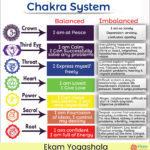
The seven chakras are energy centers aligned along the spine, from the base to the crown of the head. Each chakra is represented by a distinct lotus symbol, geometric shape, and vibration that reflects its psychological and spiritual function.
| Chakra | Symbol | Color | Core Energy |
|---|---|---|---|
| Root (Muladhara) | 4-petaled lotus + inverted triangle | Red | Grounding & safety |
| Sacral (Svadhisthana) | 6-petaled lotus + crescent moon | Orange | Creativity & emotions |
| Solar Plexus (Manipura) | 10-petaled lotus + triangle | Yellow | Confidence & power |
| Heart (Anahata) | 12-petaled lotus + star | Green | Love & compassion |
| Throat (Vishuddha) | 16-petaled lotus + triangle | Blue | Communication & truth |
| Third Eye (Ajna) | 2-petaled lotus | Indigo | Intuition & awareness |
| Crown (Sahasrara) | 1000-petaled lotus | Violet/White | Enlightenment |
What Are Chakras in Yoga Philosophy?

The word chakra comes from Sanskrit and means wheel or disk. In yogic anatomy, chakras are described as spinning wheels of subtle energy that regulate physical organs, emotional patterns, and states of consciousness.
Chakras are not physical organs – they belong to the subtle body, which is activated through yoga, breathwork, meditation, and ethical living.
When chakras are balanced:
-
Energy flows freely
-
The nervous system calms
-
Emotional clarity improves
-
Spiritual awareness deepens
When chakras are blocked or imbalanced, discomfort may appear at physical, emotional, or mental levels.
Origins of the Chakra System
The chakra system originates from ancient Indian yogic texts and tantric traditions. These teachings describe chakras as gateways to higher consciousness, activated through disciplined yogic practices.
Traditional yoga teacher training programs emphasize chakra awareness to help students move beyond posture-based yoga into energy-based self-study and transformation.
Detailed Meaning of the 7 Chakra Symbols
1. Root Chakra (Muladhara)

Symbol & Shape
The Root Chakra symbol is a four-petaled lotus with an inverted triangle, representing stability, earth energy, and foundation. Its color is red.
Meaning
Located at the base of the spine, Muladhara governs:
-
Survival instincts
-
Safety
-
Financial and emotional security
-
Connection to the earth
Healing Practices
-
Grounding yoga poses (Tadasana, Malasana)
-
Walking barefoot in nature
-
Breath awareness
-
Root-chakra affirmations: “I am safe and supported.”
2. Sacral Chakra (Svadhisthana)

Symbol & Shape
A six-petaled lotus with a crescent moon, symbolizing fluidity and emotional movement. Color: orange.
Meaning
Located below the navel, this chakra influences:
-
Creativity
-
Pleasure
-
Emotional expression
-
Relationships
Healing Practices
-
Hip-opening yoga poses
-
Dance and creative movement
-
Journaling and emotional release
-
Water-based meditation
3. Solar Plexus Chakra (Manipura)
Symbol & Shape
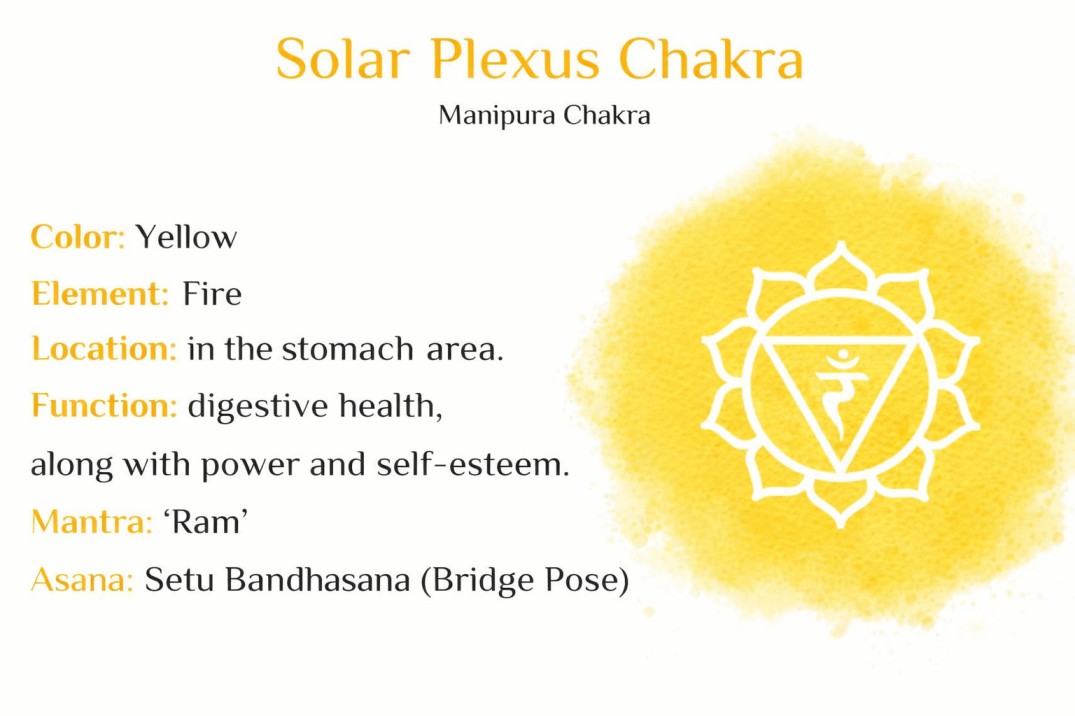
A ten-petaled lotus with a downward triangle, representing fire and transformation. Color: yellow.
Meaning
Manipura governs:
-
Personal power
-
Confidence
-
Self-discipline
-
Decision-making
Healing Practices
-
Core-strengthening yoga
-
Breathwork (Kapalbhati, Bhastrika)
-
Sun exposure
-
Affirmations focused on self-worth
4. Heart Chakra (Anahata)
Symbol & Shape
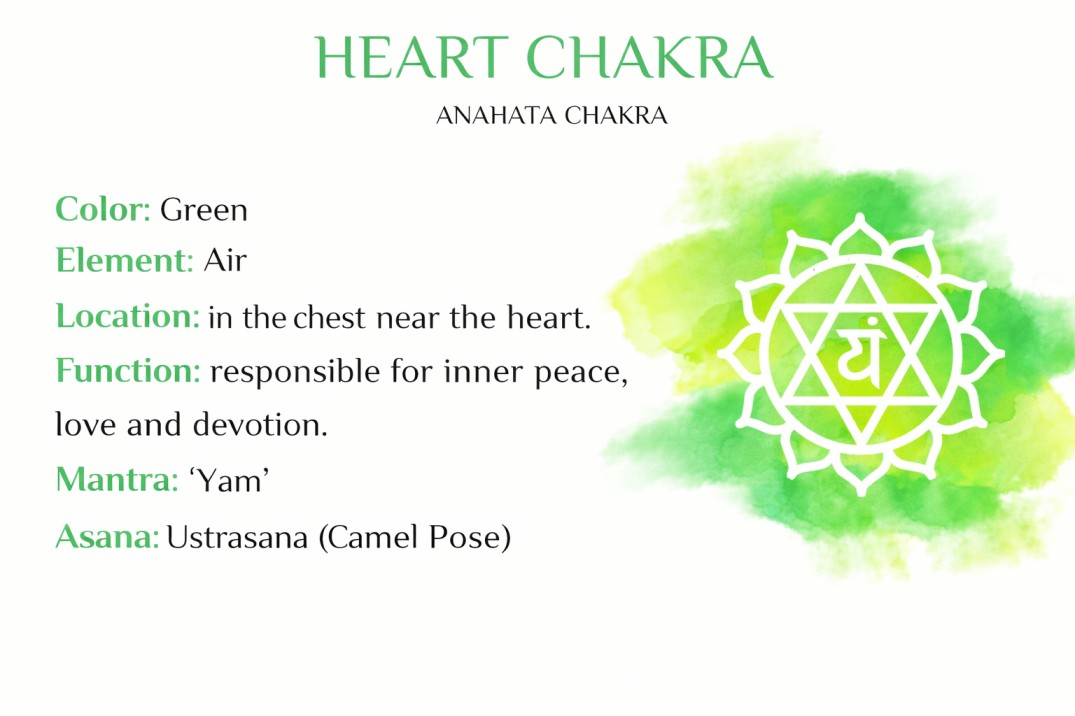
A twelve-petaled lotus with intersecting triangles, forming a six-pointed star. Color: green.
Meaning
The Heart Chakra bridges physical and spiritual energy, governing:
-
Love
-
Compassion
-
Forgiveness
-
Emotional balance
Healing Practices
-
Heart-opening yoga poses
-
Loving-kindness meditation
-
Gratitude practices
-
Time in nature
5. Throat Chakra (Vishuddha)
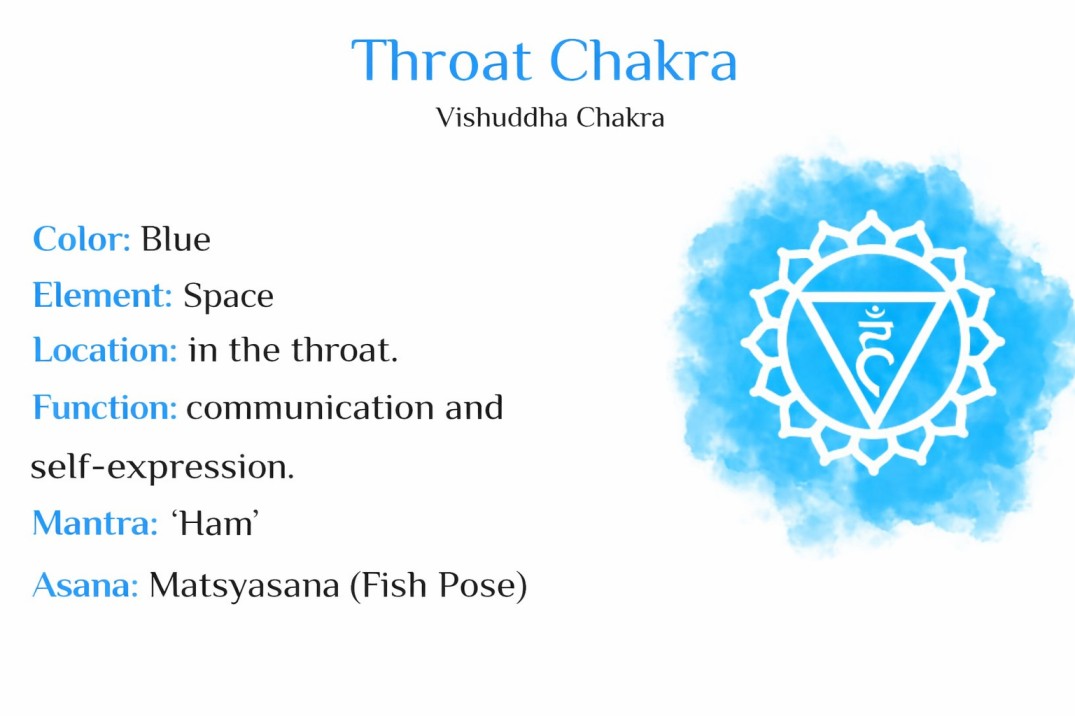
Symbol & Shape
A sixteen-petaled lotus with a downward triangle, colored blue.
Meaning
Vishuddha governs:
-
Communication
-
Self-expression
-
Truth
-
Authentic voice
Healing Practices
-
Chanting and mantra yoga
-
Singing
-
Conscious speech
-
Journaling and mindful silence
6. Third Eye Chakra (Ajna)
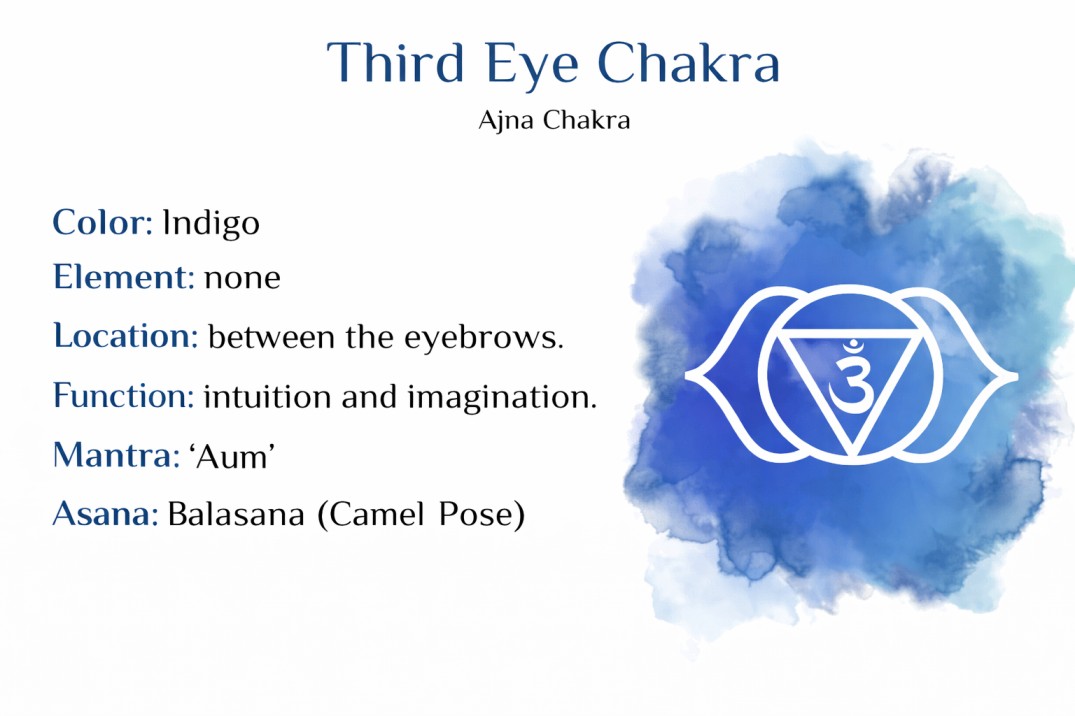
Symbol & Shape
A two-petaled lotus, representing duality and perception beyond illusion. Color: indigo.
Meaning
Ajna governs:
-
Intuition
-
Insight
-
Inner guidance
-
Awareness beyond logic
Healing Practices
-
Meditation and visualization
-
Trataka (candle gazing)
-
Dream journaling
-
Silent observation
7. Crown Chakra (Sahasrara)
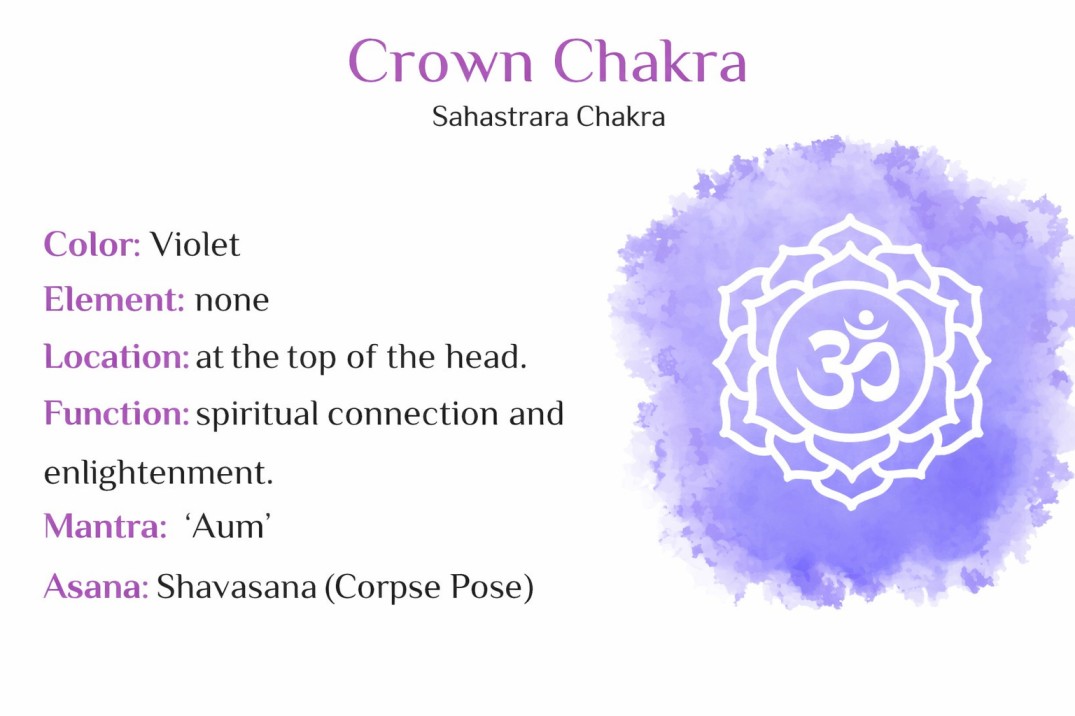
Symbol & Shape
A thousand-petaled lotus, symbolizing divine consciousness. Color: violet or white.
Meaning
Sahasrara represents:
-
Spiritual connection
-
Universal awareness
-
Enlightenment
Healing Practices
-
Meditation and stillness
-
Devotional practices
-
Self-inquiry
-
Surrender and trust
How Yoga Balances All Chakras Holistically
True chakra healing does not focus on one chakra alone. Yoga emphasizes balance across the entire system.
Effective chakra-balancing methods include:
-
Yoga asana (poses aligned with chakra activation)
-
Pranayama (breath regulation)
-
Meditation (chakra visualization)
-
Mantra & sound healing
-
Energy healing and awareness practices
Benefits of Balanced Chakras
When all seven chakras are aligned, practitioners often experience:
-
Improved physical vitality
-
Emotional stability
-
Mental clarity
-
Deeper meditation
-
Enhanced spiritual awareness
-
Greater confidence and creativity
Chakra Awareness in Yoga Teacher Training
In traditional yoga teacher training programs, chakra knowledge helps students:
-
Teach yoga beyond physical postures
-
Understand energy anatomy
-
Guide meditation and breathwork safely
-
Integrate spiritual philosophy into practice
Chakra study is foundational for anyone seeking authentic yogic education rooted in Indian tradition.
Conclusion: Living With Chakra Awareness
Understanding the 7 chakra symbols, meanings, and healing energies offers a roadmap for conscious living. These symbols are not abstract ideas – they are practical tools for self-healing, awareness, and spiritual growth.
Through consistent yoga, meditation, and mindful living, chakra balance supports a life of clarity, connection, and inner peace – both on and off the mat.
Frequently Asked Questions (FAQ)
What do the 7 chakra symbols represent?
The chakra symbols represent different aspects of human consciousness, emotional patterns, and spiritual energy as described in ancient yogic philosophy.
Which chakra should beginners focus on first?
Beginners usually start with the Root Chakra, as grounding and stability form the foundation for higher chakra work.
Are chakra symbols used in meditation?
Yes. Chakra symbols are commonly used in meditation and visualization practices to focus awareness and activate energy centers.
Are chakras part of traditional yoga?
Yes. Chakras originate from Indian yogic and tantric traditions and are integral to classical yoga philosophy.
Can yoga really balance chakras?
Yes. Yoga postures, breathwork, and meditation are designed to restore energy flow and balance the chakra system naturally.
Begin Your Chakra Journey With Awareness, Practice, and Guidance
Whether you’re new to chakras or deepening your spiritual path, consistent yoga and meditation are the keys to balance. Learning in an authentic environment allows these teachings to unfold naturally – physically, emotionally, and spiritually.
Join a global community of yoga practitioners who come to India to study yoga at its source.
👉 Join Ekam Yogashala’s Yoga Teacher Training in Rishikesh
👉 Explore Upcoming Yoga Retreats & Meditation Programs