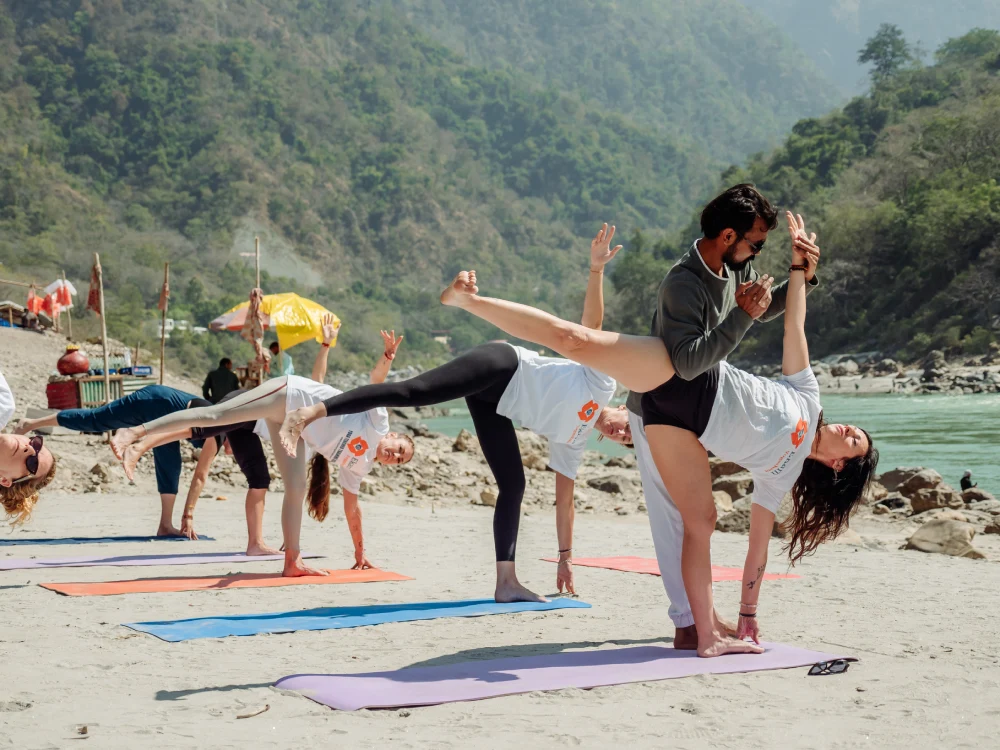
Choosing a teaching style is one of the first real decisions you make as a yoga teacher. When exploring Hatha Yoga Vs Ashtanga Vinyasa, the real question is not popularity but which approach supports your strengths, energy, and the type of students you want to guide.
Some teachers prefer slower, alignment-based sessions that allow space to observe and adjust. Others are drawn to structured flow and disciplined sequencing. Each path develops different teaching skills, class formats, and student experiences over time.
In this guide, we will break down the core differences, teaching demands, benefits, and practical considerations of traditional Hatha yoga and Ashtanga Vinyasa, so you can decide clearly which style aligns best with your teaching goals.
What Is the Difference Between Hatha and Ashtanga Yoga?
The difference between hatha and ashtanga yoga lies in tempo, structure, and intention.
Traditional Hatha Yoga
Traditional hatha yoga emphasizes stability and precision. Postures are held longer, allowing teachers to adjust alignment and students to build awareness. It supports slow vs dynamic yoga styles by clearly representing the slower end of the spectrum.
In a hatha yoga teaching style, instructors spend time cueing, correcting, and explaining. This makes it accessible for beginners and ideal for therapeutic or mixed-level classes. It is often the foundation of classical yoga education.
Ashtanga Vinyasa Yoga
Ashtanga vinyasa yoga follows a set sequence known as the Primary Series. Students progress in order and repetition builds discipline. This is a disciplined yoga practice designed to develop strength, stamina, and breath control.
The ashtanga yoga teaching method requires demonstration, rhythm, and confidence in sequencing. It suits teachers who prefer structure and students who enjoy measurable progression.
Is Hatha Yoga Better Than Ashtanga?
Many ask, is Hatha yoga better than Ashtanga? The honest answer is no. Each serves a different purpose. Hatha works best when teaching beginners, older students, or those recovering from injury. The slower pace allows room for corrections and a deeper understanding of posture mechanics.
Ashtanga works well for athletic students, fitness-oriented classes, and practitioners who prefer repetition and challenge. It builds internal heat and endurance quickly. Neither is superior. The better question is what environment you want to create as a teacher.
Which Yoga Style Is Better for Beginners?
When comparing Hatha yoga vs Ashtanga Vinyasa, beginners usually benefit more from a slower, structured format. Traditional Hatha offers time to grasp posture alignment, breathing patterns, and body awareness. It does this without any pressure. The steady pace lowers injury risk and builds confidence through clear guidance and repetition.
For those seeking lineage-based yoga training and strong foundations, Hatha supports gradual progress within a classical yoga education framework. Once students gain stability, strength, and breath control, they can explore dynamic practices like Ashtanga Vinyasa. This way, they won’t feel rushed or overwhelmed.
Should I teach Hatha or Ashtanga yoga?
Deciding whether to teach Hatha or Ashtanga should start with understanding your own teaching style. Instead of following trends, take a moment to reflect on what feels natural to you. Use this simple checklist to see which approach matches your personality and strengths.
- Your Personality: Do you love being creative with sequences? (Choose Hatha). Do you thrive on tradition and strict rules? (Choose Ashtanga).
- Your Energy Level: Can you maintain a high-intensity demonstration for 90 minutes? (Ashtanga). Do you prefer walking around the room to adjust students? (Hatha).
- Your Student Base: Are you teaching in a high-stress tech hub (Hatha for de-stressing) or a competitive fitness club (Ashtanga for the challenge)?
- Long-Term Vision: Are you interested in yoga therapy or the more athletic modern vinyasa yoga practice?
Hatha Yoga vs. Ashtanga Yoga – Main Differences
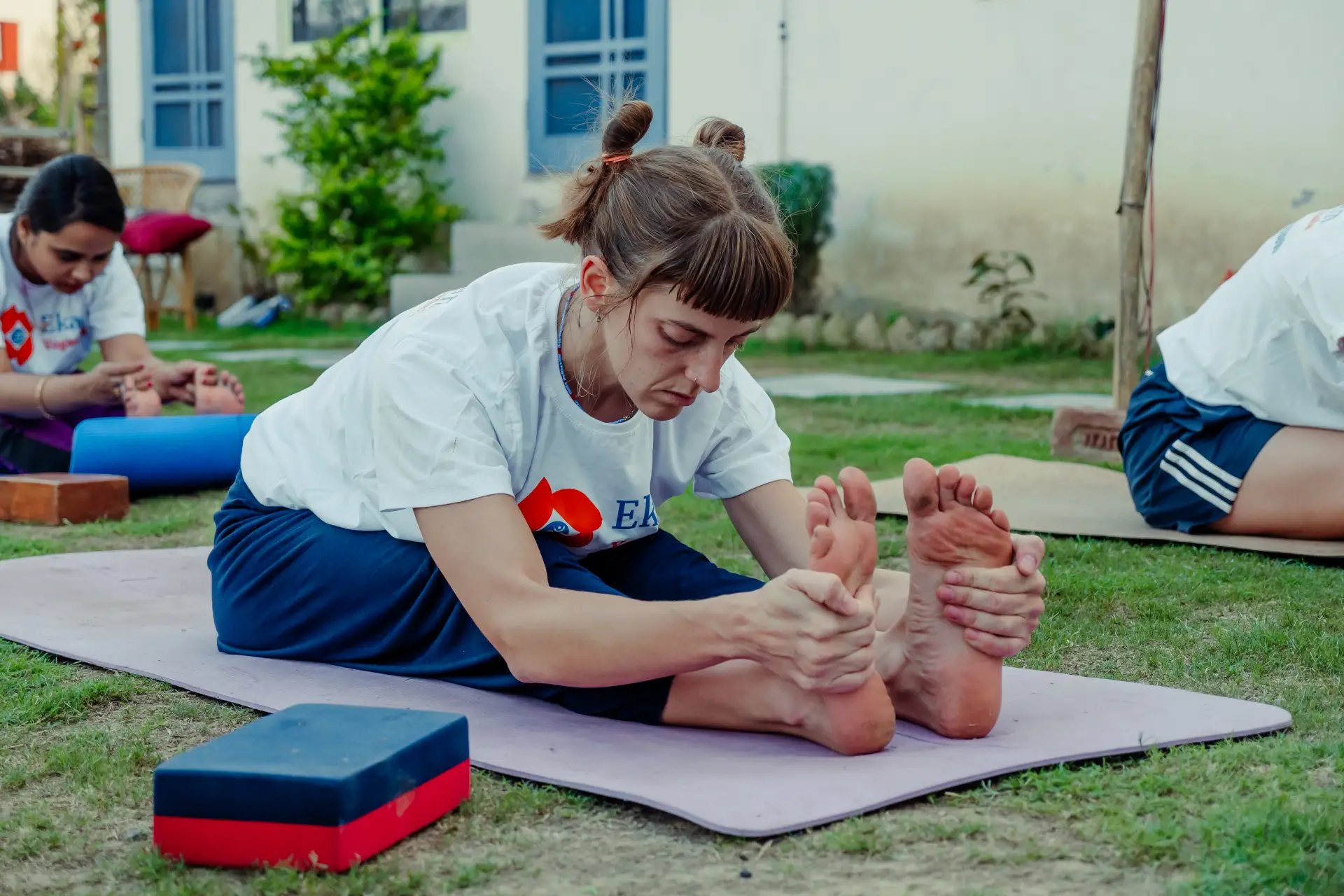
Understanding how these two fields differ is key. It helps you find the right setting for your teaching style and your students’ physical goals.
| Feature | Traditional Hatha Yoga | Ashtanga Vinyasa Yoga |
| Pace & Rhythm | Slow, meditative, and steady. | Fast, rhythmic, and intense. |
| Sequence Style | Flexible; sequences vary by class. | Fixed; students follow a set series. |
| Focus Area | Posture mastery and breath control. | Internal heat and physical stamina. |
| Ideal Student | Beginners, seniors, or those with therapeutic needs. | Athletes and those seeking discipline. |
| Teaching Style | Highly verbal with manual adjustments. | Minimal talking; focus on flow and breath. |
Hatha vs Ashtanga for Certification
When comparing Hatha vs Ashtanga for certification, most Yoga Alliance programs include both foundations. A balanced yoga teacher training style comparison shows that understanding both styles increases teaching flexibility.
In the USA market, studios expect adaptability. Some classes demand slow restorative sessions. Others require a strong vinyasa flow. Teachers trained in both traditional hatha yoga and ashtanga vinyasa yoga can move between environments confidently.
At Ekam Yogashala, students study both approaches within a framework of classical yoga education. This ensures depth, not just physical practice.
Train with Clarity at Ekam Yogashala
Clarity comes when you understand your strengths and long-term vision as a teacher. The discussion around hatha yoga vs ashtanga vinyasa is not about picking a trend. It is about choosing a foundation you can grow with. At Ekam Yogashala, you experience both styles deeply before defining your direction.
If you value:
- Precision and patience → traditional hatha yoga
- Structure and physical intensity → ashtanga vinyasa yoga
- Career flexibility and wider skill set → train in both
If you are ready to move forward with confidence, connect with Ekam Yogashala today. Speak with our team, review upcoming course dates, and choose the training path that aligns with your goals. Call +91 75000 70828 or email yoga@ekamyogashala.com to begin. Join Ekam Yogashala to master these lineages. Book your 200-hour teacher training today and transform your passion into a professional career with our expert-led Indian certification programs.
Frequently Asked Questions
Q1. Is hatha yoga better than ashtanga?
No. Hatha is slower and alignment-focused, whereas Ashtanga is structured and dynamic. The better choice depends on your students and your teaching personality.
Q2. Which yoga style is better for beginners?
Traditional hatha yoga is generally more beginner-friendly because it allows time for instruction and correction.
Q3. Should I teach hatha or ashtanga yoga?
Consider your energy, audience, and long-term goals. Many teachers benefit from training in both before specializing.
Q4. What is the difference between Hatha and Ashtanga yoga?
Hatha emphasizes slower posture holds and alignment. Ashtanga follows a fixed sequence linking breath with movement in a dynamic flow.