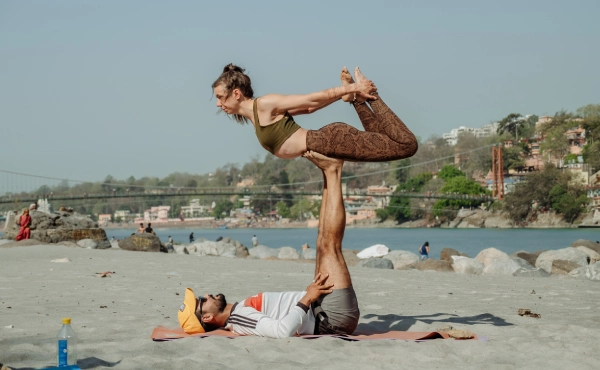
Nobody wakes up one day and randomly decides to become a yoga instructor. It builds slowly. A class that changed something in you. A teacher whose words stayed with you for days. A practice that started as exercise and became something you cannot explain. You are here because yoga already chose you.
The only question left is what to do next. This guide is your answer. From picking the right yoga teacher training course to choosing a yoga institute that actually prepares you to teach, here are the six things nobody tells you before you begin.
What Does It Actually Take to Become a Yoga Instructor?
Becoming a yoga instructor is not as complicated as it might seem, but it does require commitment. At its core, teaching yoga means completing a recognized training program, earning your certification, and building the kind of consistent practice that supports your teaching.
In the US, the Yoga Alliance is the gold standard for certification. Most studios, gyms, and wellness employers require you to be a Registered Yoga Teacher (RYT) before you can teach. That registration starts with completing an accredited yoga teacher training course from a Yoga Alliance-registered school.
The good news? You do not need years of advanced practice to start. Many people begin their training as dedicated practitioners who simply love what yoga does for them.
Why Completing a Yoga Teacher Training Course Matters More Than You Think
It is easy to assume that if you practice regularly, you can teach. But teaching yoga is a completely different skill set.
A structured yoga teacher training course gives you:
- A deep understanding of anatomy and how the body moves in each posture
- The philosophy behind yoga, including the Eight Limbs and classical texts
- Hands-on methodology for sequencing, cueing, and adjusting students safely
- Pranayama and meditation instruction
- Practical teaching experience with real feedback from senior instructors
Without this foundation, your classes may look fine on the surface but lack the depth that keeps students coming back. A strong training program sets apart a yoga instructor who keeps students from one who struggles to do so.
Which Style of Yoga Is Right for You to Teach?
Before you enroll anywhere, spend time asking yourself which style resonates most with your own practice. The major styles include:

- Hatha Yoga: foundational, slower-paced, excellent for beginners
- Ashtanga Yoga: structured, physically demanding, follows a fixed sequence
- Vinyasa Flow: breath-linked movement, highly popular in the US
- Yin Yoga: long-held passive poses that target connective tissue
- Restorative Yoga: deeply relaxing, props-heavy, therapeutic
- Iyengar Yoga: precision alignment, ideal for anatomy-focused teachers
The style you choose shapes the school you attend, the students you attract, and the kind of career you build. Most foundation-level programs cover Hatha and Ashtanga as a base, which gives you flexibility to specialize later.
How to Choose Your Yoga Style Before Training
Ask yourself three questions:
- Which classes do you never want to miss?
- Which style would you be excited to explain to a complete beginner?
- Which style reflects the way you want your future students to feel after class?
Your answers will point you in the right direction.
Understanding the 200-Hour Yoga Teacher Training: Your Starting Point
The 200-hour yoga teacher training is the internationally recognized minimum requirement to become a certified yoga instructor. It’s your starting point for professional teaching and the base for all advanced certifications that follow.
What the 200-Hour Yoga Teacher Training Covers
A standard 200-hour yoga teacher training curriculum includes:
- Asana practice and alignment principles
- Pranayama and breathwork
- Yoga philosophy and history
- Human anatomy and physiology as it applies to yoga
- Teaching methodology and class sequencing
- Practicum hours with observed teaching
Completing this program makes you eligible to register as an RYT 200 with Yoga Alliance, which is recognized globally.
200 Hours vs 300 Hours vs 500 Hours
| Training Level | Hours | Best For |
| 200-Hour YTT | 200 hours | Beginners entering teaching for the first time |
| 300-Hour YTT | 300 hours | RYT 200 holders looking to advance their skills |
| 500-Hour YTT | 500 hours | Students seeking a complete, advanced certification |
Most working yoga instructors begin with a 200-hour yoga teacher training and build from there based on their career direction.
Where to Do Your 200 Hours Yoga Teacher Training
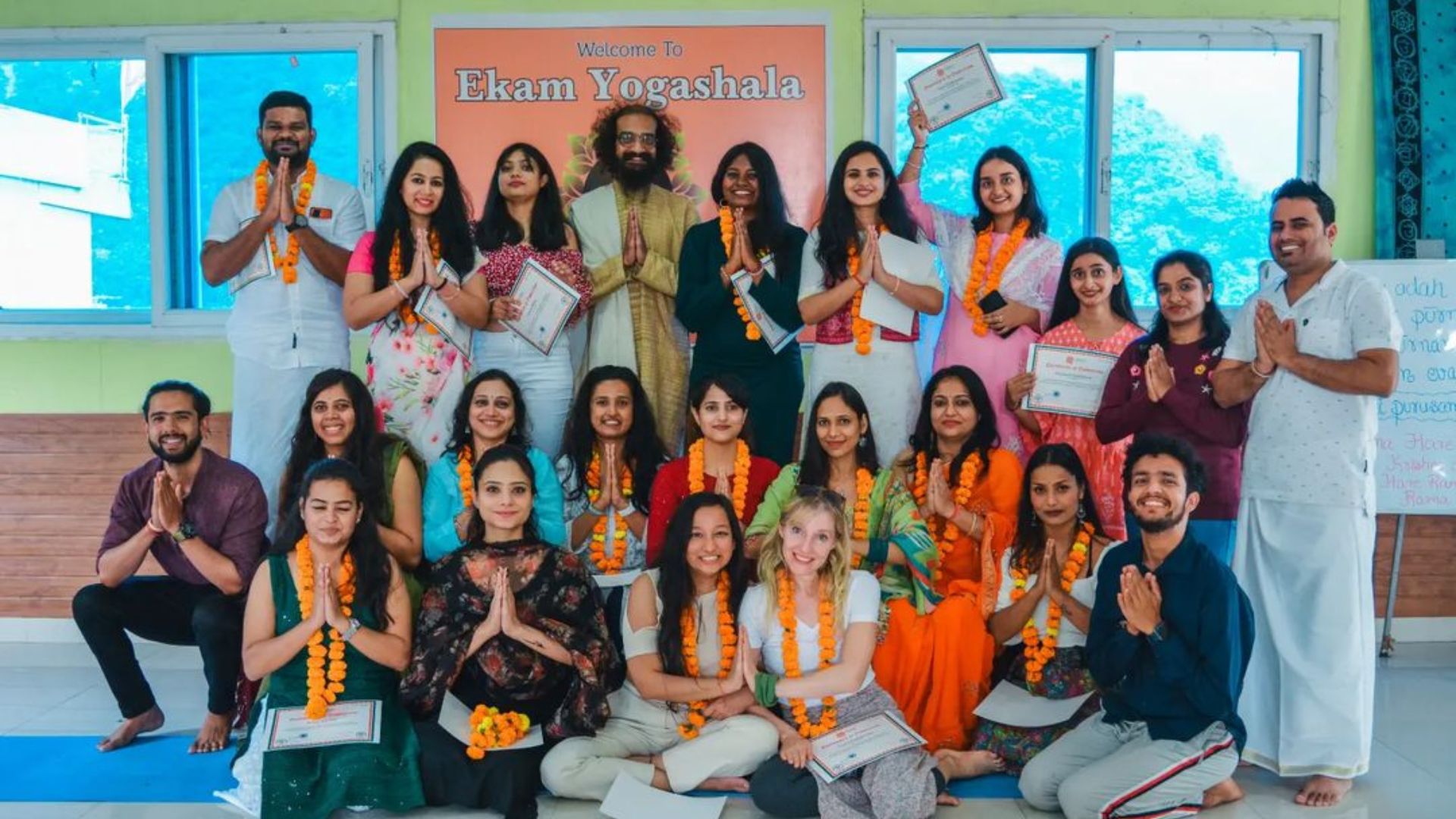
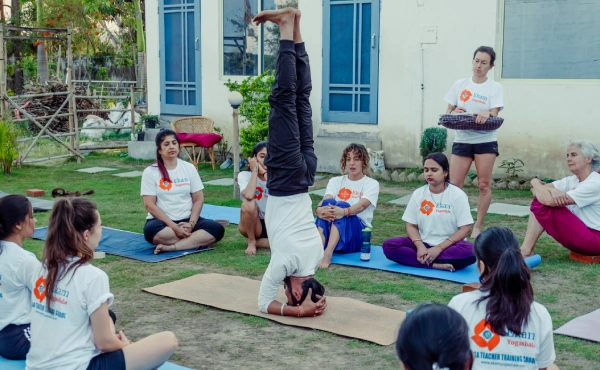
India, particularly Rishikesh, remains the top destination globally for immersive 200-hour yoga teacher training programs. At Ekam Yogashala in Rishikesh, we offer Yoga Alliance USA-certified programs starting from $799. These programs feature 24 days of residential training. You will learn in a structured yogic environment with experienced teachers.
How to Choose the Right Yoga Institute
Choosing the right yoga school is one of the most important decisions you will make in this journey. A low-quality program can leave you unprepared. In some cases, you might not be able to register with Yoga Alliance.
 Here is what to evaluate before you commit:
- Yoga Alliance Accreditation: Non-negotiable. Confirm the school is listed on yogaalliance.org as an RYS (Registered Yoga School)
- Teacher Credentials: Check the lead instructors’ backgrounds, their training lineage, and years of teaching experience
- Curriculum Depth: Look for programs that go beyond asana, covering philosophy, anatomy, pranayama, and practicum hours
- Student Reviews: Read reviews across multiple platforms, not just the school’s own website
- Batch Size: Smaller groups mean more personal attention and better learning outcomes
- Support After Graduation: Does the school help with job placement or continued education?
Red Flags When Choosing a Yoga Institute
Watch out for these warning signs:
- No mention of Yoga Alliance registration
- Vague or incomplete curriculum
- Overpromising results with no verifiable graduate outcomes
- No direct contact with faculty before enrollment
A credible yoga institute will be transparent about its faculty, curriculum, and alumni outcomes. If information is hard to find, keep looking.
What Happens After You Complete Your Yoga Teacher Training Course?
Finishing your yoga teacher training course is just the beginning. What you do in the first 90 days after certification shapes how quickly your career takes off.
Steps to Take Right After Certification
- Register with Yoga Alliance: Submit your training hours and become an official RYT 200. Annual renewal keeps you listed in the global directory.
- Keep Practicing: Your personal practice is your most powerful teaching tool. Do not let it drop after certification.
- Start Teaching Immediately: Offer free or donation-based classes to friends, colleagues, or local community spaces. Teaching regularly is the only way to build confidence.
- Specialize: Choose if you want to focus on prenatal yoga, corporate wellness, children’s yoga, therapeutic yoga, or a specific style. Specialization drives referrals.
- Build an Online Presence: A basic Instagram account can showcase your practice and teaching. This helps attract local students more quickly than any other free method.
- Consider Advanced Training: Many instructors return for their 300-hour certification 12 to 18 months after completing the 200-hour program. This helps them sharpen their skills and boost their earning potential.
Ready to turn your passion into a career? Join Ekam Yogashala’s upcoming Yoga Teacher Training to gain the skills, confidence, and certification needed to lead. Secure your spot today and start your journey toward mastery!
Is Becoming a Yoga Instructor Worth It in 2026?
The global wellness industry is valued at over $6 trillion. In the US, the demand for qualified yoga instructors continues to grow. Corporate wellness programs, online platforms, private instruction, and studio teaching all provide strong income streams for certified teachers.
A certified yoga instructor in the US makes between $30,000 and $75,000 a year. This varies based on teaching hours, specialization, and whether they run their own classes or work at a studio. Those who combine in-person teaching with online offerings tend to earn significantly more.
The investment in a quality yoga teacher training course pays back relatively quickly when you approach teaching as a real professional career. If you are committed to the practice, value authentic connection, and want work that makes a direct impact on people’s lives, becoming a yoga instructor is absolutely worth it.
Start Your Journey with a Trusted Yoga Institute
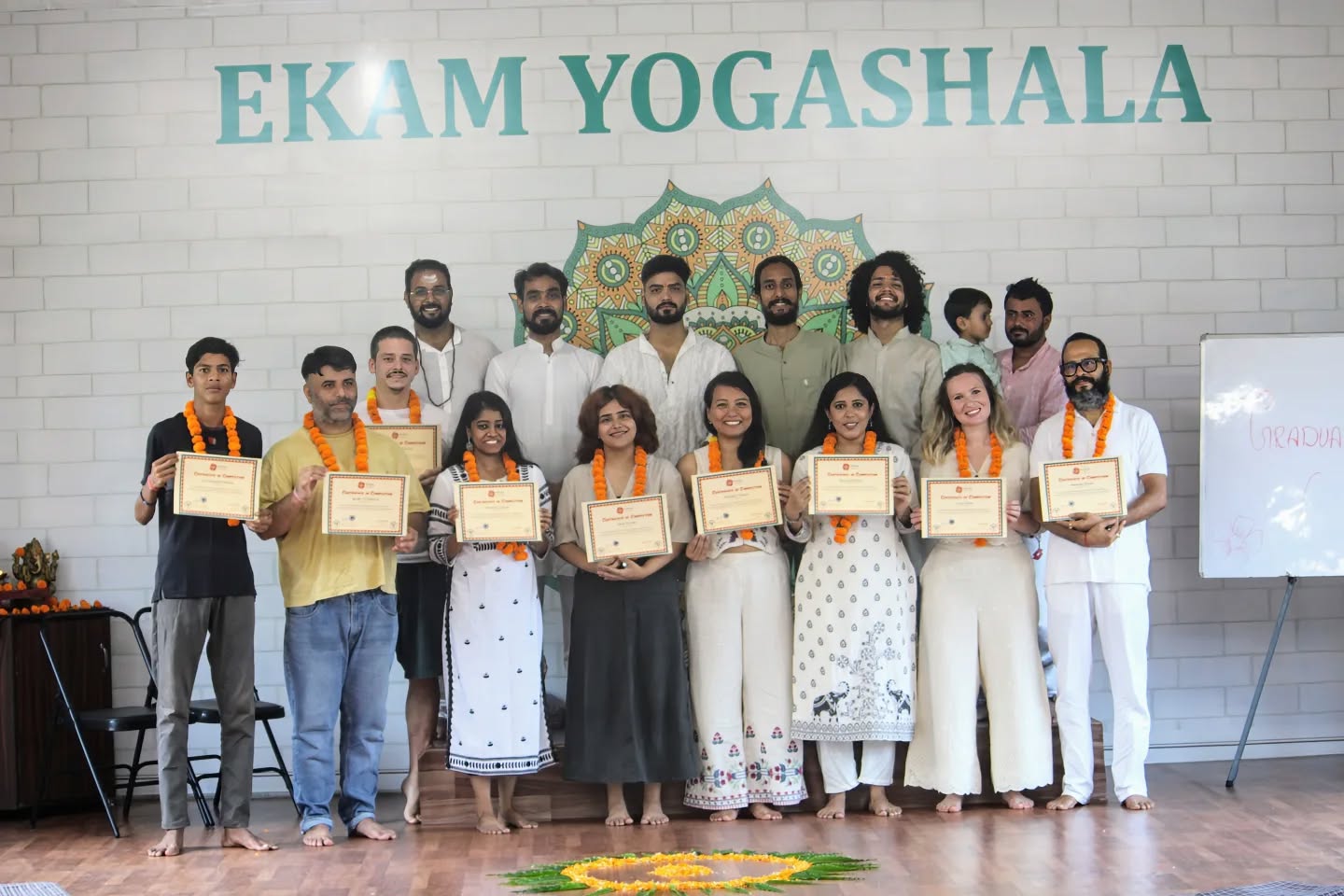
Ekam Yogashala is a Yoga Alliance USA-certified yoga institute based in Rishikesh, India. We provide yoga teacher training in three options: 200 hours, 300 hours, and 500 hours. The programs are residential, with small class sizes and experienced teachers. Over 2,000 graduates have gone on to teach in more than 25 countries. Apply now!
Contact Ekam Yogashala: 📞 +91 75000 70828 📧 yoga@ekamyogashala.com
Frequently Asked Questions
Q1. Do I need prior experience to enroll in a yoga teacher training course?
No prior experience is required. The 200-hour yoga teacher training is designed for dedicated beginners and experienced practitioners alike.
Q2. How long does a 200-hour yoga teacher training take to complete?
Most residential yoga teacher training course programs run for 24 to 28 days in an immersive full-time format at a recognized yoga institute.
Q3. Is Yoga Alliance certification recognized internationally?
Yes. Yoga Alliance RYT certification is accepted by studios, gyms, and employers worldwide. This makes it the top credential for yoga instructors seeking international opportunities.
Q4. Can I teach yoga online after completing my training?
Absolutely. Many certified yoga instructors build successful online platforms after completing a yoga teacher training course. They teach live classes, offer recorded programs, and provide one-on-one sessions.
Q5. What is the difference between a 200-hour and 300-hour yoga teacher training?
The 200-hour yoga teacher training is the foundational certification. The 300-hour program builds on that foundation. It covers advanced asana, philosophy, and specialization. This makes you eligible to register as an RYT 500 with Yoga Alliance.
Q6. How do I choose the best yoga institute for my training?
Look for Yoga Alliance accreditation, experienced faculty, a comprehensive curriculum, and verified student reviews from your chosen yoga institute before committing.
Q7. What does a yoga instructor earn in the US?
A certified yoga instructor in the US usually earns between $30,000 and $75,000 each year. This range depends on how many classes they teach, where they teach, and if they work independently or in a studio.
You may also like:
 The Truth About Yoga Teacher Training in Rishikesh Nobody Tells You
 Best Time of Year to Do Yoga Teacher Training in Rishikesh: Season-by-Season Guide
 Can Beginners Join Yoga Teacher Training in Rishikesh?
 The Ultimate Guide to 200 Hour Yoga Teacher Training in Rishikesh: Transform Your Life in the Yoga C...