Introduction: Yoga and Its Roots in India
India is also widely regarded as the homeland of yoga—a spiritual, intellectual, and physical practice that has been nurtured for over 5,000 years. Yoga, rooted in ancient Indian philosophical tradition, is far more than a sequence of postures or flexibility, it is an integrated system that brings together physical well-being, mental acuity, spiritual awakening, and a means to live rightly. With its special yogic tradition, India is still a destination where spiritual learners can achieve a more profound and genuine knowledge of yoga. For serious and devoted learners, a yoga teacher training in India is not just a chance to broaden the refined art of practicing yoga, it is a chance to become immersed in the ancient teachings of yoga, the home of yoga.
Whereas your desire to be a certified yoga teacher or merely intensify your practice in the future is of no matter, determining when to train is an important component of your experience. India’s regional geography, climate, and cultural seasonal festivals, will define elements of your experience. In this down-to-earth guide, we will point out the best times and places to undertake yoga teacher training in India, making no time of ‘wrong time’ to take your yoga teacher training experience.
Understanding the Climate in India
India’s extensive geography supports a variety of climates, from tropical in the south to temperate and even alpine in the north. The optimum time to undergo a 200 hour yoga teacher training course and 300 hour yoga teacher training (YTTC) differs based on the region, therefore. In general, India has three primary seasons:
1. Winter (November to February): The best season in the majority of India, particularly the northern and central regions. The weather is cool and pleasant, permitting unproblematic traveling, outdoor practice, and general health.
2. Summer (March to June): It can be very hot, particularly in North India, with temperatures reaching more than 40°C (104°F). Some coastal areas in the south and hill stations are comparatively temperate, though.
3. Monsoon (July to September): Dominated by high humidity and excessive rainfall, especially coastal and tropical areas. It can be difficult to travel, and school terms may close or classes run less often.
Best Times By Location
1. Rishikesh (North India) – September to March
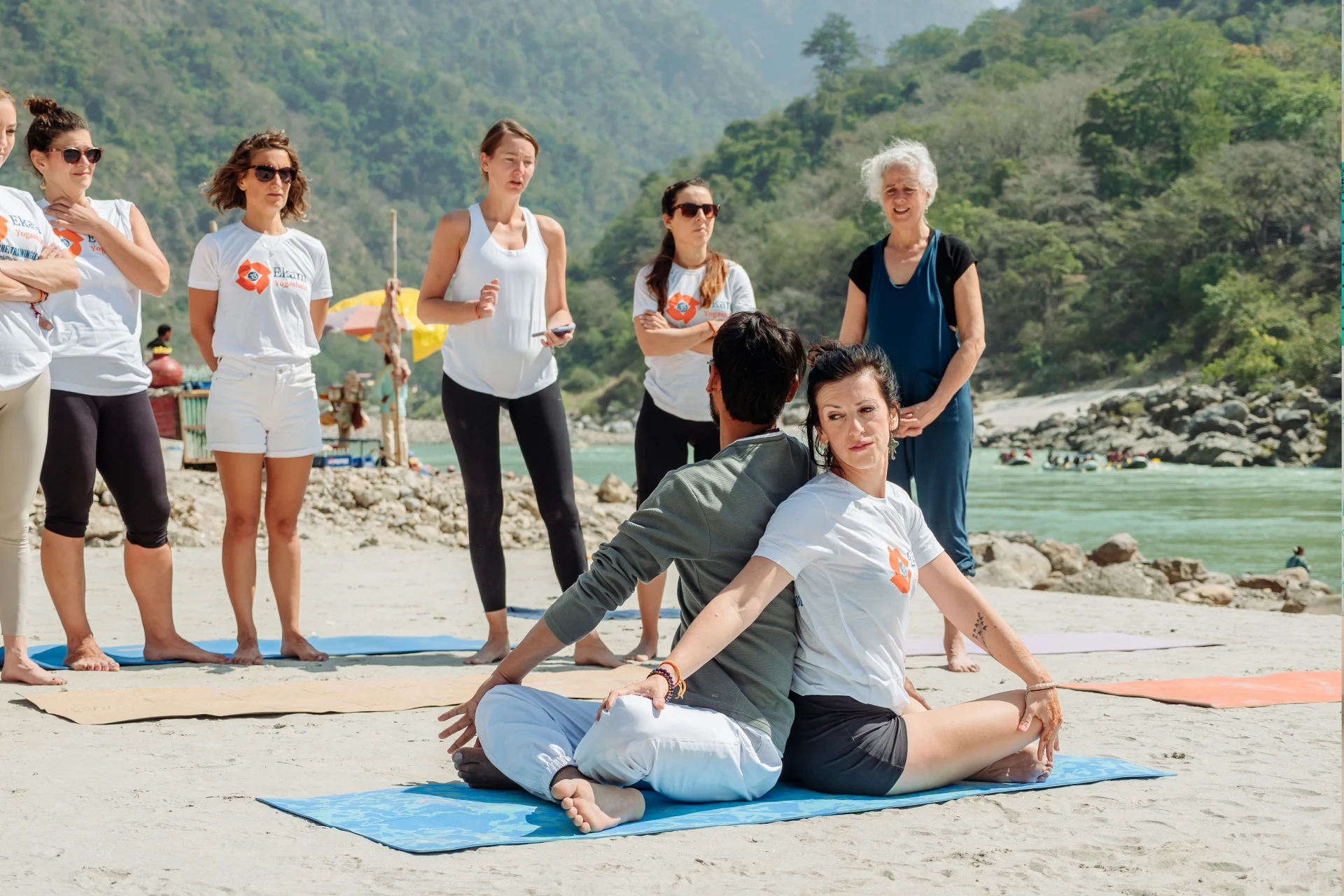
It is referred to as the “Yoga Capital of the World.” Rishikesh is situated in the foothills of the Himalayas and on the banks of the sacred Ganges River. It is maybe the most well-known place to do yoga teacher training in India.
• Optimal time: September to March
• Why: The weather is cool and crisp, perfect for walking, trekking, meditation, and yoga outdoors. The religious ambiance is also elevated in the winter months, particularly during festivities such as Diwali (October-November) and Holi (March).
2. Goa (West Coast) – November to February
Renowned for its beaches and laid-back atmosphere, Goa provides a unique yogic experience. Several international schools provide intensive yoga teacher training in goa.
• Best Time: November to February
• Why: Goa has pleasant coast weather during these months, with very little rain and cooler temperatures, ideal for beach yoga.
3. Kerala (South India) – December to March
Kerala, the Ayurveda country and paradise of greenery, is best suited for those looking for a calm and tropical environment to undergo yoga teacher training.
• Optimum time: December to March
• Why: Weather is cooler and drier compared to other times of the year, and the green landscape provides a calm atmosphere for inner journey and introspection.
Other Things to Keep in Mind When Selecting the Time
Availability of Programs
1. There are schools that provide YTTs only within certain months, particularly during peak tourist months (October to March). Early booking is essential because good schools get booked fast.
2. Crowds and Expenses
High season (October to March) is very popular with many visiting tourists. This can be a good thing if you like community numbers, but it can also translate to more expensive accommodation and classes. Off-season training could be cheaper and less busy, though with possible weather issues.
Conclusion
Choosing the best time for yoga teacher training in India is a personal decision and considers your goals, preferred climate, and destination. On average, the cooler temperatures between October and March offer the ideal conditions for most Indian locations. You are able to fully appreciate the nation’s natural landscapes, spiritual climate, and cultural diversity without being held back by extreme weather.
Irrespective of whether you are drawn to the spiritual energies of Rishikesh, the serene backwaters of Kerala, or the vibrant beaches of Goa, every season and location has something unique in its offerings for you. The key is your inclination to learn, grow, and become immersed in the ageless wisdom of yoga where it began.